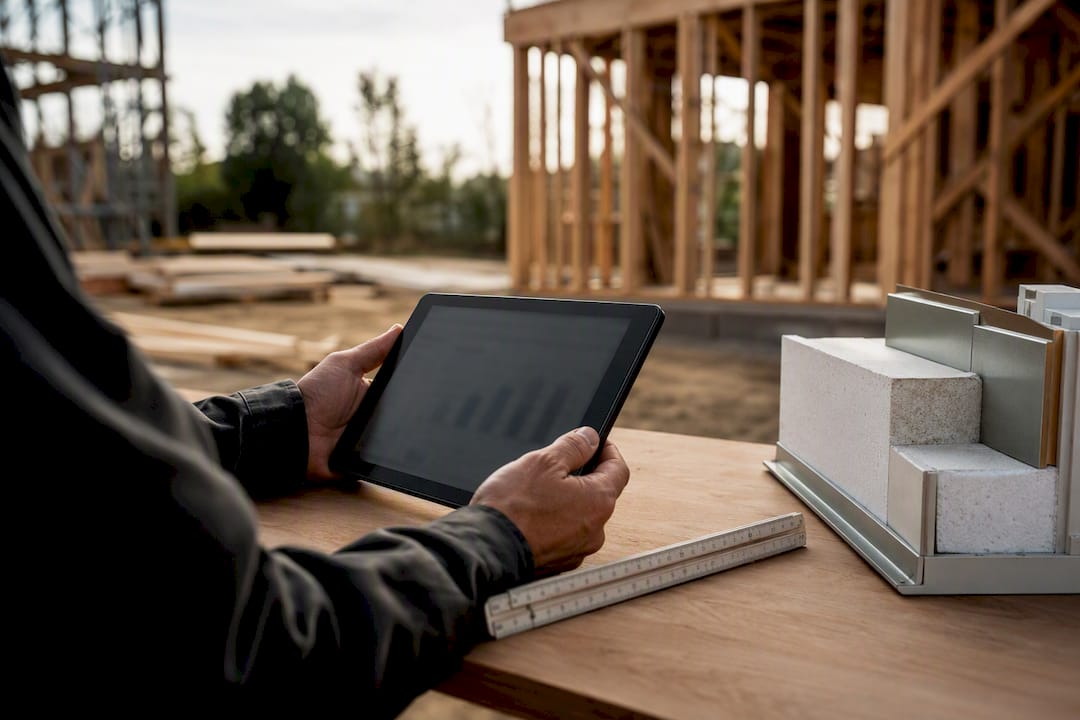
A one-time close (construction-to-permanent) loan typically reduces your total closing costs by eliminating a second closing entirely. You’ll still pay real fees, usually a portion of your loan amount, and some of those can be rolled into the loan itself. But your exact costs depend on your program (FHA, VA, or conventional) and how closely your lender and builder work together, so confirm the specifics before you sign anything.
TL;DR:
- Choosing a one-time close loan can save in closing costs by eliminating a second full transaction, but costs vary depending on lender and program specifics.
- Most Arizona construction loans include standard fees like origination, appraisal, title insurance, and additional construction-specific charges such as plan review and draw fees.
- Rolling closing costs into the loan increases your loan-to-value ratio, which may impact mortgage insurance requirements and underwriting conditions.
- Accurate documentation and strong coordination between your lender and builder can prevent delays and unexpected fees, often outweighing small rate differences.
- Arizona’s absence of a state transfer tax lowers overall costs, but county fees, impact fees, and property tax reappraisals can still influence your total project expenses.
Table of Contents
- One-Time Close vs Two-Time Close: Structure, Pros, and Cost Differences
- Typical Closing-Cost Line Items for Construction Loans in Arizona
- How Closing Costs Can Be Paid or Rolled Into a One-Time Close Loan
- Estimating Total Closing Costs and Budgeting for the Build
- Lender and Builder Coordination: Documents and Timing
- Better Quality Builders: Financing Support That Reduces Closing Surprises
- How Local Arizona Regulations and Taxes Affect Closing Costs
- Municipal Permit and Inspection Requirements in Arizona
- How Your Credit Score and Financial Profile Change Your Closing Costs
- Arizona Construction Loan Closing Costs Compared to Neighboring States
- Tips for Negotiating and Reducing Your Closing Costs
- What the Data Actually Tells Arizona Builders
- Let Better Quality Builders Handle the Financing Coordination
- Where to Verify Program Rules and Lender Licensing
- Sources
One-Time Close vs Two-Time Close: Structure, Pros, and Cost Differences
A one-time close loan bundles your construction financing and your permanent mortgage into a single closing. You sign once, qualify once, and lock your rate once, then the loan automatically converts to a standard mortgage when your builder finishes the home. A two-time close splits that into separate transactions: one loan to build, another to refinance into permanent financing once construction wraps up.
The cost gap between the two comes down to arithmetic. Two-time close structures require a full second round of closing costs, including a new appraisal, new title work, and a fresh underwriting file, because you’re technically opening a brand-new loan. One-time close products eliminate that second set of fees since the permanent loan was already underwritten at the start.
That said, two-time close isn’t always the wrong move. Reasons a borrower might still choose it:
- You want to shop rates again after construction, betting that rates will drop before your home is finished.
- Your project has an unusual scope (a large custom lot development, for instance) where lenders prefer separating construction risk from long-term mortgage risk.
- Your builder or lender doesn’t offer a one-time close product that fits your specific plan.
For most Arizona buyers building a standard custom home, though, the one-time close route saves money and paperwork.
Typical Closing-Cost Line Items for Construction Loans in Arizona
Your Loan Estimate and Closing Disclosure will list several standard mortgage fees alongside construction-specific charges you won’t see on a typical resale-home purchase. Knowing what each line item covers helps you spot errors and negotiate with confidence.
Standard fees you’ll recognize from any home loan:
- Origination fee: what the lender charges to process and underwrite your loan, typically a small percentage of the loan amount.
- Appraisal fee: pays for a licensed appraiser to value the completed home based on plans and specs, not just the current lot.
- Title insurance: protects you and the lender against ownership disputes on the land.
- Recording fees: paid to the county to officially record your deed and mortgage.
- Escrow and underwriting fees: cover the third-party account managing funds and the lender’s file review.
Construction-specific charges you should also expect:
- Plan review fees: the lender’s cost to verify your builder’s plans and specifications match the appraised value.
- Draw and inspection fees: charged each time your builder requests a construction fund disbursement.
- Construction interest: interest-only payments on funds drawn during the build, before conversion to permanent financing.
- Builder fees: administrative charges your builder may pass through for coordinating with the lender.
Pro Tip: Ask your lender in writing which fees are refundable and which are one-time upfront charges. Some upfront rate-lock fees on Arizona construction products can be applied toward your final closing costs rather than charged twice.
Lenders commonly allow origination fees, plan review charges, and sometimes a portion of draw fees to be financed into the loan itself, rather than paid in cash at closing.
How Closing Costs Can Be Paid or Rolled Into a One-Time Close Loan
You generally have three ways to cover closing costs on an Arizona construction loan: pay them out of pocket, roll them into your loan principal, or negotiate lender credits that offset the fees in exchange for a slightly higher rate.
Rolling costs into the loan is common on one-time close products because it avoids draining your cash reserves during a build, when contingency funds matter most. The trade-off is real, though. Financing closing costs into your loan raises your loan-to-value ratio, which can affect whether you owe mortgage insurance and how your file gets underwritten.
Down payment expectations vary sharply by program:
- VA loans: may require no down payment for eligible veterans and service members, with strong credit and manageable debt-to-income (DTI) ratios expected.
- FHA loans: typically require a low down payment percentage, with more flexible credit-score thresholds than conventional financing.
- Conventional loans: generally require a higher down payment, with the best rates reserved for borrowers with stronger credit profiles and lower DTI ratios.
Better Quality Builders structures combined construction and land financing with 10% down payment options, which lands between FHA and conventional minimums for buyers who don’t qualify for VA financing.
Estimating Total Closing Costs and Budgeting for the Build
A useful rule of thumb: budget a few percent of your total loan amount for closing costs on an Arizona construction-to-permanent loan. The exact amount depends on your lender, program, and how many fees you choose to roll into the loan versus pay upfront.
That estimate only covers closing itself. Your total cost exposure grows over a 12 to 18 month build timeline because draw and inspection fees accumulate with each disbursement your builder requests. A project with ten draws racks up ten separate inspection charges, even if each one looks small on its own.
Build your budget in this order:
- Get a written fee schedule from your lender covering origination, draw, and inspection charges.
- Add a contingency reserve of at least 5% to 10% of your construction budget for change orders.
- Confirm your rate-lock expiration date against your builder’s projected completion timeline.
- Recalculate your total cash-to-close after deciding which fees you’ll roll into the loan.
Pro Tip: If your build timeline stretches past your original rate-lock period, ask upfront what extension fees apply. Arizona lenders often price these separately from your closing-cost total.
Lender and Builder Coordination: Documents and Timing
Smooth closings happen when your lender and builder are talking to each other before you ever sit down to sign. Gaps in documentation are the single biggest cause of delayed closings and surprise fees.
Documents your lender will typically require:
- A signed, detailed builder contract with a line-item cost breakdown, not just a lump-sum total.
- Complete architectural plans and specifications matching the appraised value.
- Copies of building permits or proof they’ll be pulled before the first draw.
- Proof of your builder’s liability insurance and workers’ compensation coverage.
Before you sign, get your draw schedule and inspection fee policy in writing, not just described verbally. A few negotiation moves worth trying: ask for lender credits to offset a portion of origination fees, confirm which fees are refundable if your loan doesn’t close, and work through an approved-builder channel when your lender offers one, since pre-vetted builders often move through underwriting faster.
Better Quality Builders: Financing Support That Reduces Closing Surprises
Better Quality Builders coordinates directly with lenders on your behalf, reviewing your Closing Disclosure line by line and helping assemble the documentation package your underwriter needs, from cost breakdowns to permit status. That coordination matters because a mismatch between your builder’s contract and your appraisal is one of the most common reasons closings get delayed.
Building with AirLight steel-insulated panels also plays into underwriting in ways buyers don’t always expect. Durable, energy-efficient construction can influence insurance premiums and appraised value, both of which factor into your final loan terms.
How Local Arizona Regulations and Taxes Affect Closing Costs
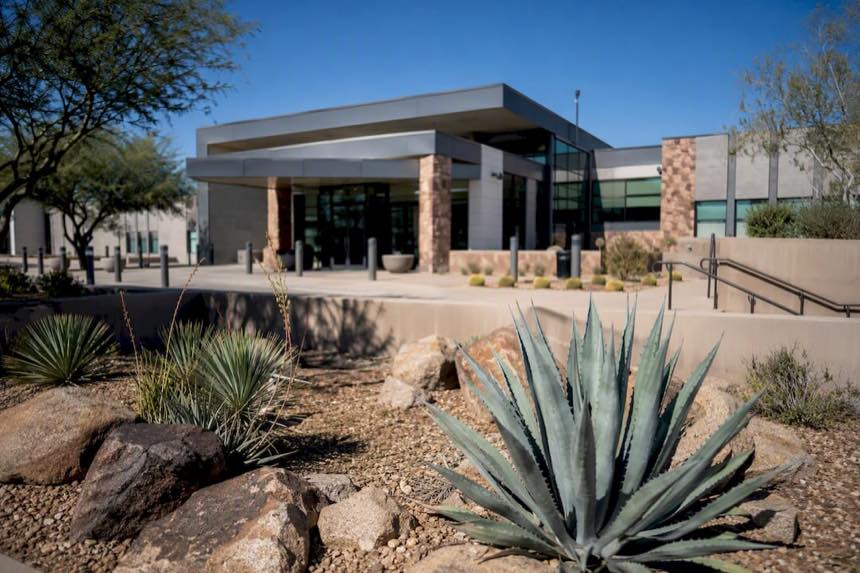
Arizona doesn’t charge a state-level real estate transfer tax, which already puts Arizona construction loans ahead of states that do. But county-level fees still show up on your Closing Disclosure, and they vary depending on where you build.
Recording fees are set at the county level, so a home in Maricopa County will carry different recording costs than one in Pinal or Yavapai County. Title insurance premiums in Arizona are also filed with the Arizona Department of Insurance and Financial Institutions, and while rates are fairly standardized statewide, the exact policy cost still depends on your loan amount and lot value.
Property tax proration is another line item that catches first-time construction borrowers off guard. Because Arizona assesses property taxes based on the land value until the home is complete, your initial closing may show a smaller tax proration than what you’ll owe once your finished home gets reassessed. Ask your lender to model out what your escrow account will look like after that reassessment, so you’re not surprised by a jump in your monthly payment once the county updates your home’s value.
Municipal impact fees, which fund infrastructure like roads, water, and schools, also vary by city and can be substantial in fast-growing areas of Maricopa County. These aren’t always disclosed at loan closing itself, since they’re often paid directly through your builder as part of the permit process, but they affect your overall project budget and should be confirmed before you finalize your construction contract.
Municipal Permit and Inspection Requirements in Arizona
Every Arizona municipality requires a building permit before construction begins, and the cost of that permit is typically tied to your home’s square footage and estimated construction value, not a flat fee. In Maricopa County and cities like Phoenix, Scottsdale, and Mesa, permit fees commonly run from several hundred to a few thousand dollars depending on project size, plus separate fees for electrical, plumbing, and mechanical permits.
Beyond the building permit itself, expect inspections at multiple stages: foundation, framing, rough electrical and plumbing, insulation, and final inspection before your certificate of occupancy is issued. Each inspection is scheduled through the local building department, and delays in scheduling can push back your construction timeline, which in turn affects your rate-lock window.
Some municipalities also require a separate grading and drainage permit if your lot needs significant site work, which is common on undeveloped land in outlying parts of Maricopa and Pinal counties. If you’re building on a lot with unusual topography or drainage requirements, budget extra time and money for this step.
Your builder typically pulls these permits on your behalf and passes the cost through as part of your construction contract, but it’s worth asking your lender whether permit costs are included in your appraised construction value or treated as a separate line item. That distinction affects how much of the permit cost you can finance into your loan versus pay directly.
How Your Credit Score and Financial Profile Change Your Closing Costs
Your credit score doesn’t just determine whether you qualify. It directly affects the interest rate you’re offered, and that rate shapes several fees tied to your closing costs. Borrowers with credit scores around 720 or higher on conventional loans typically get access to lower origination fees and better rate-lock pricing than borrowers in the 620 to 680 range.

Your debt-to-income ratio matters just as much as your score. A lower DTI signals less risk to your underwriter, which can translate into fewer conditions on your loan and a faster path through underwriting, reducing the odds of paying for a rate-lock extension because your closing got delayed.
FHA loans generally accept lower credit scores than conventional financing, often down into the 580 to 620 range, but that flexibility comes with mandatory mortgage insurance premiums that add an ongoing cost beyond your one-time closing fees. VA loans don’t have a hard credit-score floor set by the VA itself, though individual lenders typically set their own minimums, often around 620.
If your credit profile sits in a gray area, a few months of paying down revolving debt before you apply can measurably lower your quoted origination fee and rate-lock cost. It’s one of the few levers you control directly before locking in your construction loan terms.
Arizona Construction Loan Closing Costs Compared to Neighboring States
Arizona’s closing costs for construction loans land in a moderate range compared to its neighbors. Nevada and California both carry higher average title insurance premiums and, in California’s case, significantly higher property tax bases once a home is reassessed after construction, which affects escrow calculations at closing.
New Mexico and Utah tend to run closer to Arizona in overall closing-cost percentage, though permit and impact fees vary widely by municipality in each state, much like they do within Arizona itself. Colorado’s Front Range cities have seen faster-rising impact fees tied to infrastructure growth, which can push total construction closing costs higher than what a comparable Arizona project would carry in Maricopa or Pinal County.
The absence of a state transfer tax in Arizona remains one of its clearest advantages over states like Nevada, which does impose one. For Arizona buyers comparing notes with out-of-state family or builders, that difference alone can account for a meaningful gap in total closing costs on a similarly priced home.
None of this means Arizona is universally cheaper. Rural counties with limited lender competition can sometimes carry higher origination fees than what buyers see in the Phoenix metro area, where more lenders compete for construction loan business. Location within the state matters almost as much as which state you’re comparing.
Tips for Negotiating and Reducing Your Closing Costs
Start by getting Loan Estimates from at least two or three lenders who actively offer one-time close construction products in Arizona. Origination fees and rate-lock costs vary more between lenders than most borrowers expect, and that competition is your leverage.
Ask directly whether any upfront fees are refundable or applicable toward your final closing costs. Some Arizona lenders attach rate-lock fees that can extend up to 365 days on construction products, and confirming refundability in writing before you commit protects you if your timeline shifts.
A few more moves worth making before you sign anything:
- Request lender credits in exchange for a slightly higher rate if you’re short on cash for closing.
- Ask your builder whether they have an established relationship with a local lender, since pre-vetted builder-lender pairs often move faster and carry fewer surprise conditions.
- Negotiate to have plan review and appraisal fees waived or reduced if your builder has already worked with that lender on similar projects.
- Compare the total cost of rolling fees into your loan against paying them upfront, factoring in the extra interest you’ll pay over the life of the loan.
None of these tactics eliminate closing costs entirely, but stacked together, they can meaningfully shrink what you pay at the table.
What the Data Actually Tells Arizona Builders
The conventional advice on construction loan closing costs treats every fee as fixed and every program as roughly interchangeable. That’s backwards. The real variable isn’t whether you’ll pay closing costs. You will. It’s whether your lender and builder are coordinated enough to keep those costs predictable.
Most of the advice circulating online focuses on comparing interest rates between lenders, which matters, but underweights something more controllable: documentation quality. A builder contract with a vague cost breakdown triggers more underwriting conditions than a detailed one, and every condition adds time, and time near a rate-lock deadline costs money.
If you take one thing from this article, prioritize builder-lender coordination over rate-shopping alone. A slightly higher rate with a builder who has closed dozens of one-time close loans in Arizona will often cost you less in the end than chasing a marginally better rate with a builder who’s never worked with your lender before. The paperwork friction is where real money leaks out of a construction loan closing, not the headline rate.
— David Kobierski
Let Better Quality Builders Handle the Financing Coordination
Better Quality Builders is the direct alternative to piecing together a lender, a builder, and a lot purchase on your own in Arizona’s construction loan market.
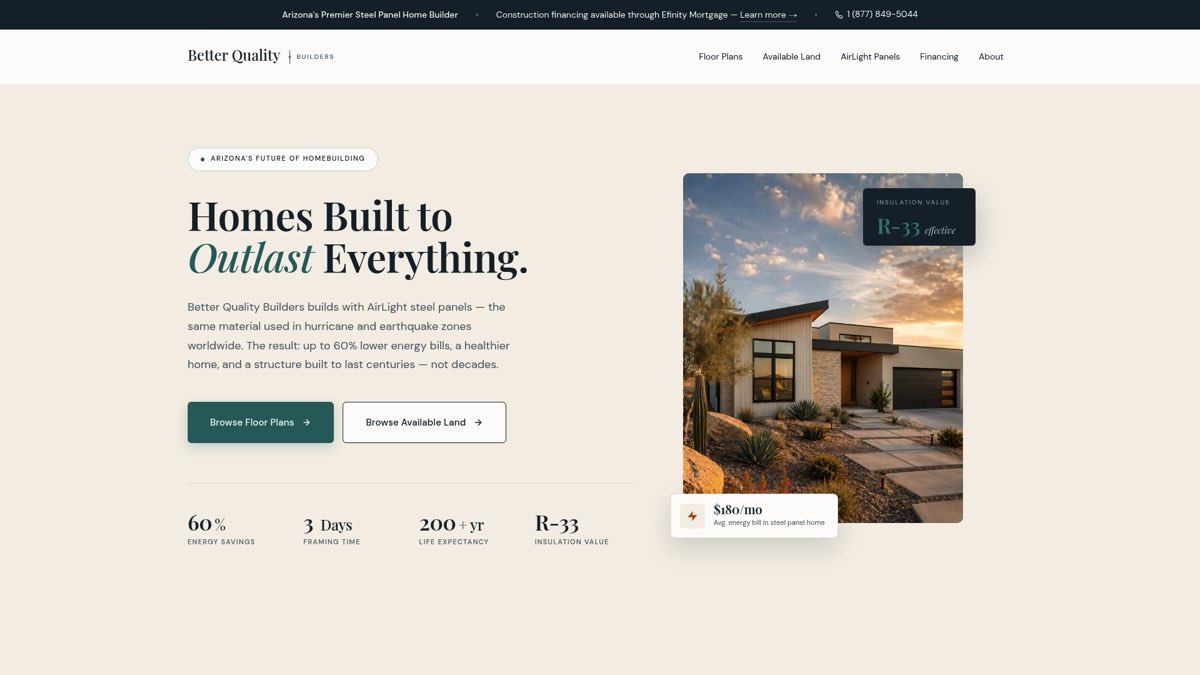
That coordination is exactly what reduces the closing-cost surprises covered above: mismatched cost breakdowns, delayed permits, and rate-lock extensions caused by documentation gaps. Building with AirLight steel panels adds another layer of long-term value, with durability and energy efficiency that can favorably influence insurance and appraisal outcomes.
If you’re ready to see what a coordinated construction and land financing plan looks like for your project, visit the financing options page or explore available lots and floor plans to start mapping out your build and your closing costs together.
Where to Verify Program Rules and Lender Licensing
Before finalizing any construction loan, confirm program-specific rules directly with a licensed lender. The Consumer Financial Protection Bureau explains how loan-to-value ratios affect your costs, while HUD’s fair housing resources cover program eligibility and borrower protections. You can verify any lender’s registration through the Nationwide Multistate Licensing System, and the National Credit Union Administration offers oversight information for credit-union construction products. Always confirm whether your specific program allows rolling costs into your loan before assuming it applies to your situation.
Sources
- Construction loans Arizona — Arizona Home Loans USA
- What is a loan-to-value ratio and how does it relate to my costs? — CFPB
- Construction and Lot Loans in Arizona — OneAZ Credit Union
- Construction Loans — Foothills Bank