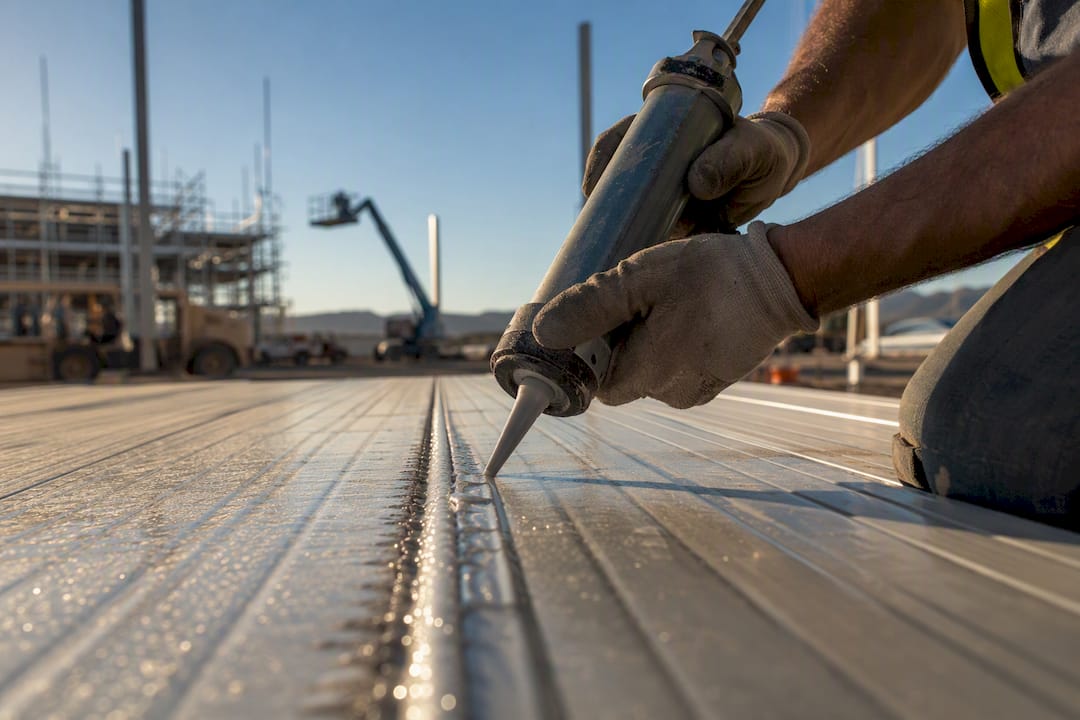
The most effective way to build a dust proof home in Arizona is to combine a tightly sealed building envelope, properly sized HVAC filtration with sealed ductwork, and deliberate control of every entry point. Skip any one layer and the desert wins. If you’re planning a custom build, three moves matter right now:
- Inspect and seal high-risk leaks at slab edges, attic access panels, and every penetration before drywall goes up.
- Upgrade to MERV 11–13 filters and confirm your ducts are sealed, not just installed.
- Build a mudroom or entry buffer and replace any weatherstripping that’s already cracked or brittle from UV exposure.
At Better Quality Builders, we build with AirLight steel panels specifically because they close the gaps that plague conventional stick-frame construction, and our crews detail penetrations and rooflines to keep dust from ever reaching your ductwork.
Key Takeaways
A dust proof Arizona home depends on three layers working together: a sealed envelope, correctly sized HVAC filtration with sealed ducts, and controlled entry points.
| Point | Details |
|---|---|
| Seal penetrations at construction | Plumbing, electrical, HVAC line sets, and dryer vents need durable gaskets sealed before drywall, not after. |
| Choose MERV 11–13 filters | This range balances dust capture with blower performance in most Arizona duct systems. |
| Fix duct leaks first | Attic return leaks pull outdoor dust straight into your air handler, bypassing filtration entirely. |
| Build an entry buffer | A sealed mudroom or vestibule between garage and living space stops dust before it spreads. |
| Choose a panelized envelope | Better Quality Builders’ AirLight steel panels reduce field seams compared to stick framing, cutting long-term dust infiltration risk. |
Table of Contents
- Sealing Techniques for Dust Proof Home Design in Arizona
- Choosing HVAC Filtration and Duct Sealing for Desert Dust
- Controlling Entry Points and Landscaping to Reduce Dust Intrusion
- Interior Finishes That Resist Dust in Custom Homes
- Seasonal Maintenance Checklist for Arizona Dust Season
- Why Envelope Design Beats Filtration as a First Fix
- Build Dust Control Into Your Custom Home From the Start
- Sources
Sealing Techniques for Dust Proof Home Design in Arizona
You can’t fix a leaky envelope with a better vacuum. If dust is getting into your walls, attic, or slab edges during construction, no amount of filtration downstream will fully compensate. This is why envelope detailing belongs in your contract, not your punch list.
A continuous air barrier, paired with continuous insulation, stops the pressure differentials that pull dust indoors in the first place. Your builder should be able to show you, on paper, exactly where that barrier runs and where it terminates. Slab edges and attic access panels are two spots builders routinely under seal because they’re easy to reach later. They shouldn’t be treated that way, because “later” in Arizona means after your first haboob.
Penetrations are the real culprits. Building scientists sometimes call them “dust highways,” since construction-level sealing at plumbing, electrical, HVAC line sets, recessed fixtures, and dryer vents closes off the paths fine particulate uses to travel from attic to living space. Require your builder to seal these before insulation goes in, not after.
Three things to put in writing with your builder:
- UV-resistant, long-life sealants and gaskets rated for desert exposure, not standard-grade caulk that chalks and cracks within a couple of seasons.
- A documented penetration-sealing checklist, signed off before drywall.
- Durable weatherproofing at every rooflines-to-wall transition, inspected before final walkthrough.
Pro Tip: Ask your builder to walk the site with you before insulation goes in. A ten-minute inspection at this stage catches gaps that cost thousands to fix after move-in.
This is where AirLight steel panels change the math. Because the panels arrive as a single insulated unit with factory-tight seams, there are dramatically fewer field joints for a crew to seal correctly (or incorrectly) on-site. Fewer joints means fewer chances for dust intrusion over the life of the house, not just at handoff.
Choosing HVAC Filtration and Duct Sealing for Desert Dust
Filtration only works if the air actually goes through the filter. That sounds obvious, but it’s the single most overlooked fact in Arizona dust control.
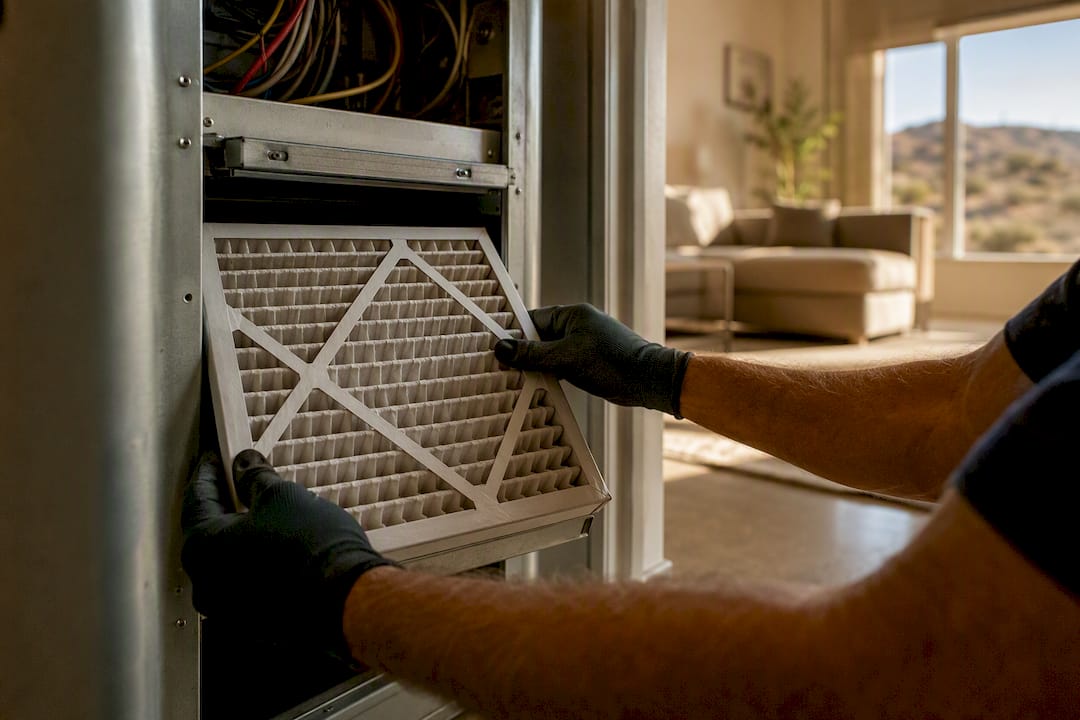
A practical filter range for most desert homes includes high-efficiency pleated filters to balance dust capture with system airflow. Below MERV 11, fine particulate slides right through. Above MERV 13, you risk restricting airflow enough to strain your blower motor, especially in a system not designed for the added static pressure. If you want that higher filtration, specify a larger filter cabinet at the design stage so the system has room to breathe. HEPA-capable media cabinets exist for homeowners who want to go further, but they need to be sized into the ductwork plan, not bolted on afterward.
Duct sealing matters as much as the filter itself. Attic ductwork in Arizona sits in one of the harshest thermal environments in any home, and return leaks and attic gaps are a frequent, underdiagnosed source of the “why is my house always dusty” complaint local HVAC technicians hear constantly. A return leak pulls attic dust, insulation fibers, and outdoor grit straight into your air handler, bypassing your filter entirely. Aeroseal and similar diagnostic sealing services can locate and close these leaks in existing ductwork; in new construction, insist on a blower-door and duct-leakage test before your builder calls the job finished.
Local air-quality specialists note something homeowners rarely expect: dust rings around vents usually point to an air-delivery or return-leak problem, not a housekeeping failure. Chasing that dust with a duster instead of diagnosing the air path wastes time and money.
During an active haboob:
- Switch your system to recirculate and close any fresh-air intake dampers.
- Turn the HVAC off entirely if the storm is severe and it’s safe to do so.
- Replace or inspect filters immediately after the storm passes, since a single major dust event can load a filter faster than weeks of normal use.
Controlling Entry Points and Landscaping to Reduce Dust Intrusion
Every door, track, and garage transition is a decision point for how much dust makes it inside. Get these details right and your filtration system does far less work.
Weatherstripping and door sweeps take the brunt of Arizona’s UV exposure, and standard rubber and foam compounds degrade fast in extreme heat, sometimes within a couple of seasons. Specify UV-resistant, heavy-duty seals from the start, and check them twice a year. Sliding-door tracks deserve the same attention. Grit accumulates in the track channel and grinds the seal down every time the door moves, so a quick vacuum and wipe every few weeks keeps that seal intact far longer.
Your garage is a bigger liability than most homeowners realize. Every time that door opens, you’re inviting outside dust straight into an attached structure that shares air with your living space. A sealed vestibule or mudroom between garage and house, with its own weatherstripped door, breaks that direct path.
Outside the house, your landscaping choices either feed dust toward your walls or keep it away:
- Stabilized decomposed granite holds down better than loose gravel and generates less airborne particulate when disturbed.
- Pavers around high-traffic zones reduce loose material near doors and windows.
- Drought-tolerant, low-litter plants reduce dead leaf debris that turns to dust after drying out.
- A seasonal pressure-washing schedule for hardscape and perimeter walls keeps accumulated dust from becoming windblown dust.
The One Day Doors & Closets team in the Phoenix and Gilbert area is a solid local resource if your existing seals and door hardware need replacing rather than repair.
Interior Finishes That Resist Dust in Custom Homes
What you put inside the envelope determines how much day-to-day cleaning that envelope actually saves you. This is where a lot of custom-home buyers leave easy wins on the table.
Wall-to-wall carpet acts like a filter that never gets changed. Every footstep releases trapped particulate back into the air you breathe. Hard flooring, tile, luxury vinyl plank, or sealed concrete, holds dust on the surface where a damp mop actually picks it up instead of grinding it deeper into fibers. If you want the warmth of a rug, choose washable ones you can pull outside and shake out rather than fixed carpet.
Smooth, wipeable wall finishes beat heavily textured ones for the same reason your car’s dashboard is easier to dust than its floor mats. Minimal trim detail means fewer horizontal ledges collecting a fine gray film. Closed cabinetry in kitchens and bathrooms keeps dust off dishware and towels far better than open shelving, which looks great in photos and collects grit in real life.
A dedicated mudroom earns its square footage in Arizona:
- Washable flooring and baseboards that tolerate a hose-down.
- Closed storage for shoes and outdoor gear, so dust stays contained at the door.
- A bench and boot tray to interrupt the path from driveway to living room.
Better Quality Builders’ permit-ready casita floor plans already build in entry buffers like this, since the layout decision is far cheaper to make on paper than to retrofit after move-in.
Seasonal Maintenance Checklist for Arizona Dust Season
Arizona’s dust season runs roughly April through September, with monsoon activity peaking mid-June through the end of September, which gives you a real deadline for pre-season prep rather than a vague sense of “sometime this summer.”
Before June 15, work through this list:
- Schedule an HVAC tune-up and rinse the outdoor condenser coil.
- Inspect and replace any weatherstripping that’s cracked, brittle, or gapping.
- Check dryer vents and pet doors for damaged seals.
- Replace your HVAC filter with a fresh MERV 11–13 unit.
During peak season, check filters visually every two weeks and replace pleated high-efficiency filters every three to four weeks, sooner if a haboob just rolled through. Clean top to bottom with a damp microfiber cloth and a sealed-HEPA vacuum, since dry dusting just re-suspends particulate that eventually settles back into your ductwork.
Pro Tip: Keep a spare filter and a roll of UV-rated weatherstripping tape in your garage. Storm prep at 9 p.m. the night before a monsoon warning is not the time to discover you’re out of both.
Why Envelope Design Beats Filtration as a First Fix
Most advice on dust in Arizona homes starts with the HVAC system, and that’s backward. Filters and duct sealing matter enormously, but they’re compensating for a leaky envelope, not fixing one. If your builder gets the sealing detail right at construction, your filtration system has a fraction of the work to do for the life of the house.
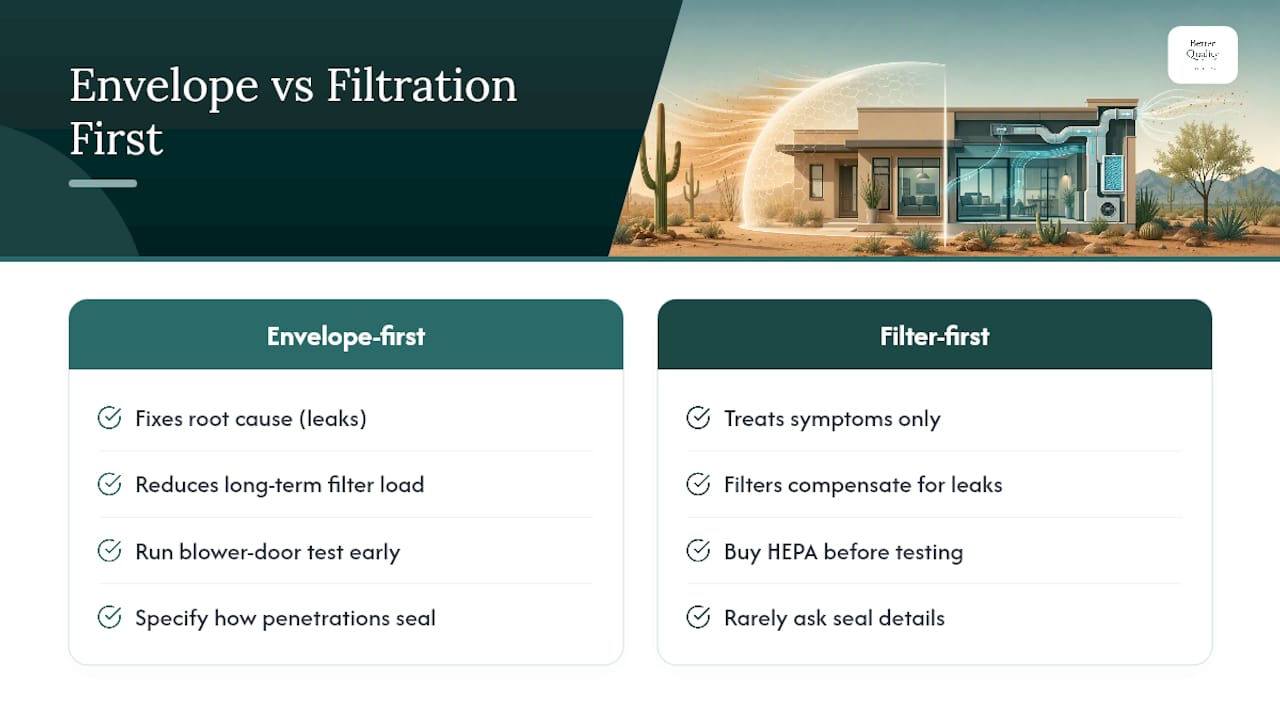
The conventional wisdom, buy a better filter, run a bigger air purifier, tends to treat symptoms. It rarely asks why dust is getting past the walls, the attic access, or the garage door in the first place. Homeowners spend money on HEPA units before they’ve had a blower-door test, which is a little like buying a better umbrella instead of fixing the roof.
If you’re specifying a custom build, prioritize the envelope conversation before you pick a single HVAC brand. Ask exactly how penetrations get sealed, what sealant spec is used, and how many field joints your wall system requires. A panelized system with factory-sealed seams starts that conversation from a stronger position than stick framing ever will, and it’s worth demanding the same rigor from every trade on the job.
— David Kobierski
Build Dust Control Into Your Custom Home From the Start
Retrofitting an existing house against desert dust means chasing leaks you can’t always see. Building it right the first time means those leaks never happen. Better Quality Builders constructs custom homes with AirLight steel panels, a system with far fewer field seams than traditional framing, which means far fewer places for dust to work its way into your walls and attic over the decades ahead.

Our team also brings cool-roof detailing and guidance on exterior materials that resist dust staining and cut long-term maintenance, so your envelope decisions and your finish decisions work together instead of against each other. If you’re ready to specify a dust-resistant build from the ground up, request a plan review with Better Quality Builders and walk through your envelope, HVAC, and entry-point details before a single wall goes up.
Sources
- How to Reduce Dust in Your Home: Top Tips 2026
- Dust storm preparedness for your home systems
- Arizona Dust Season Cleaning | Scottsdale Home Dust-Free
- Best universal weather stripping materials — extreme temperatures