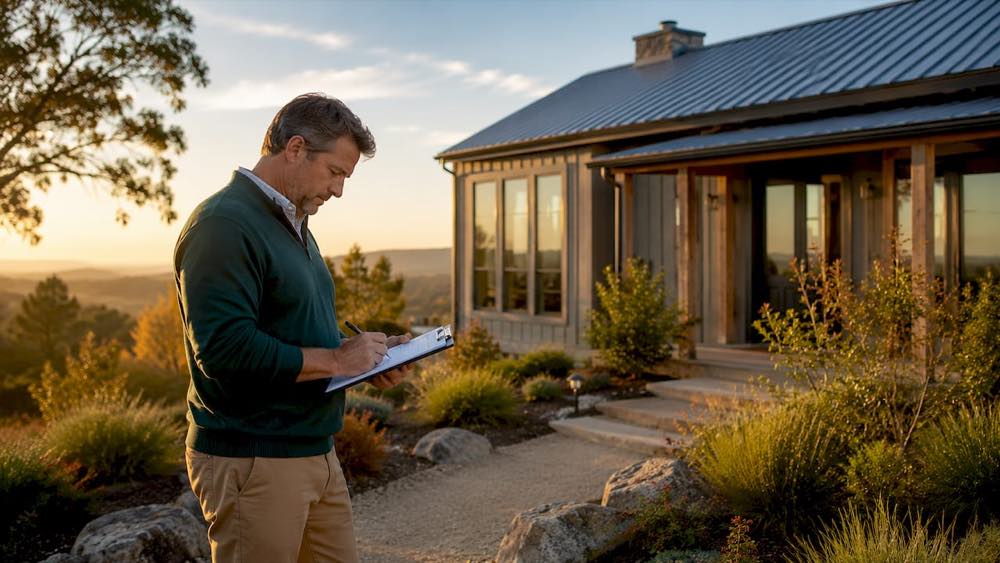
Durable homes are defined by materials and construction methods that extend a structure’s lifespan while minimizing the frequency and cost of repairs. Understanding how durable homes reduce repair costs is the most practical lens for evaluating any home purchase or new build. Buyers of newly built, durable homes save an average of $25,335 in energy and repair costs over the first 10 years compared to owners of 20-year-old homes. That figure covers 16 U.S. metropolitan areas and shows that long-term savings fully offset the new construction price premium. Add insurance discounts, builder warranties, and lower energy bills, and the financial case for cost-effective home durability becomes difficult to ignore.
How durable homes reduce repair costs through better materials
The materials inside a home’s walls, roof, and foundation determine how often you write a check to a contractor. Long-lasting home materials share three qualities: resistance to weather, resistance to moisture, and structural integrity that holds up across decades without major intervention.
The most proven options include:
- Metal roofing: Impact-resistant metal roofing costs 15–20% more upfront but lasts 50 or more years versus 20–30 years for asphalt shingles. That lifespan difference eliminates at least one full roof replacement during a typical ownership period.
- Concrete masonry units (CMU): CMU walls resist fire, pests, and moisture at a level that wood framing cannot match. They require almost no exterior maintenance over a 30-year period.
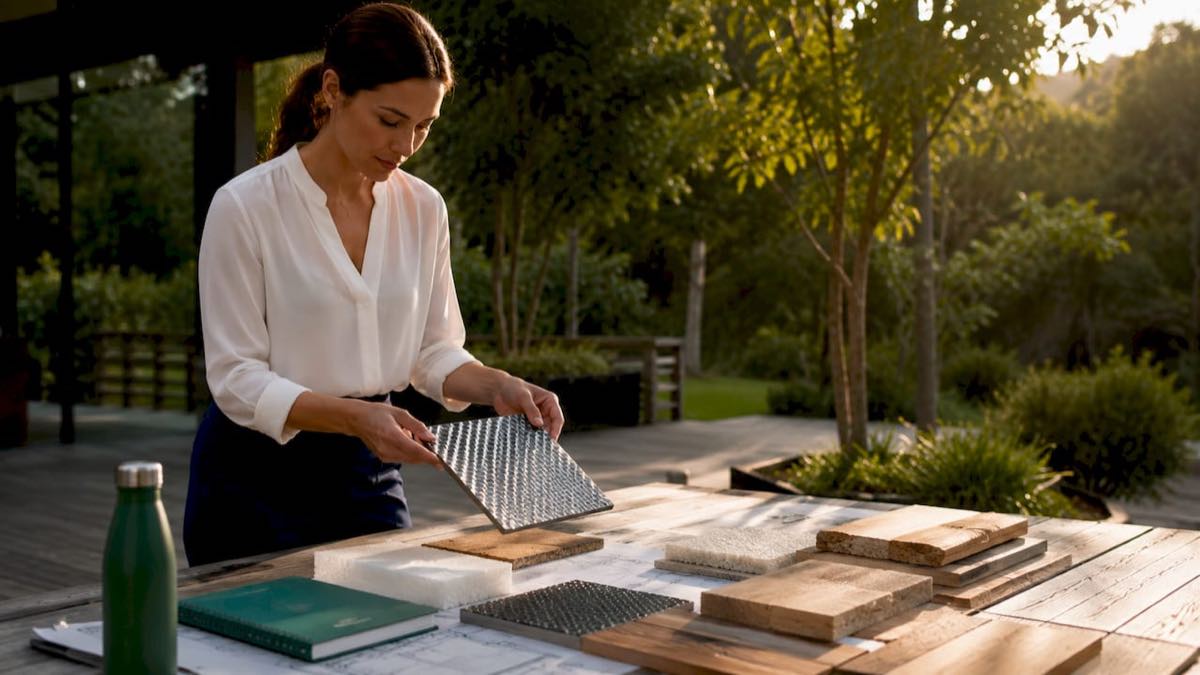
- Structural insulated panels (SIP): SIP construction reduces air infiltration, which lowers HVAC load and slows the wear on heating and cooling systems. Better Quality Builders uses AirLight steel panels, a steel-based SIP variant proven in hurricane and earthquake zones worldwide.
- Impact-resistant windows: These windows reduce storm damage claims and lower insurance premiums. They also cut UV-related interior damage that drives furniture and flooring replacement costs.
A hybrid material approach that pairs durable structural components with efficient mechanical systems maximizes both durability and cost savings. The key insight is that no single material carries the full load. Durability works as a system.
Pro Tip: Prioritize durability in hidden systems first. Plumbing, flashing, and waterproofing membranes are far cheaper to upgrade during construction than after walls are closed. Skipping quality here is where repair bills compound fastest.
How do durable homes lower insurance premiums?
Insurance is one of the largest recurring costs of homeownership, and durable construction directly reduces it. Modern storm-resilient features signal lower risk to insurers, and that signal translates into real premium reductions.
Features that drive the biggest discounts include:
- Impact windows and hurricane shutters: These reduce the probability of catastrophic storm damage, which is the primary driver of large residential claims.
- Modern, storm-rated roofing systems: Insurers treat roof age and material as primary rating factors. A metal or impact-rated roof on a new home earns better rates than a 15-year-old asphalt roof on a resale property.
- Steel and CMU construction: Structures built with non-combustible materials qualify for lower fire risk ratings in most states.
Insurance premiums for modern, durable, storm-resilient homes can be up to 38% lower than for older homes. That discount adds over $7,000 in savings across a 10-year ownership period. The mechanism is straightforward: fewer claims filed means lower actuarial risk, and insurers price that advantage into your annual premium.
Builder warranties compound this benefit. Builder warranties and mortgage rate buydowns frequently reduce out-of-pocket expenses during the early years of ownership. Many buyers pay nothing for HVAC repairs under warranty during the first several years, which removes one of the most common sources of unexpected home expenses. When you combine insurance savings with warranty coverage, the total cost of ownership picture shifts significantly in favor of new, durable construction.
Is investing in durable homes worth the higher upfront price?
The upfront price of a new, durably built home runs higher than a comparable resale property. New construction price premiums average about $60,000 across major U.S. markets. That number stops many buyers before they do the full math.
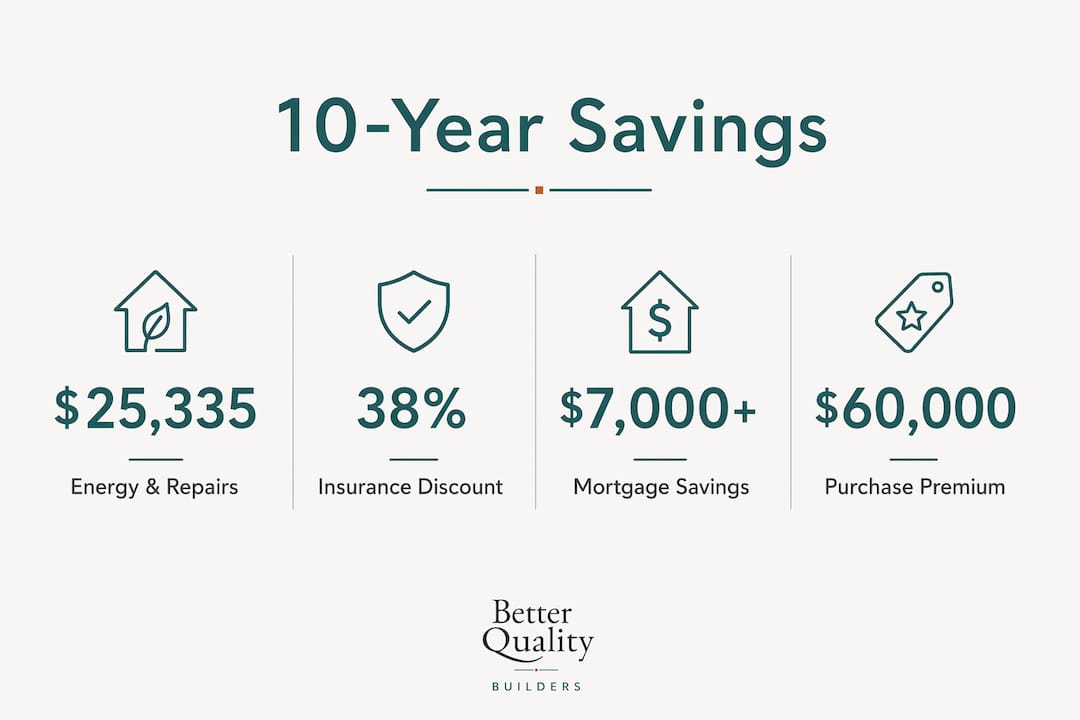
The full math tells a different story. The $25,335 in energy and repair savings, combined with $7,000-plus in insurance savings, recovers a significant portion of that premium within 10 years. Annual utility savings from tighter construction and better insulation add to that total every year. The total cost of ownership framework shifts the comparison from purchase price to cumulative cost, and durable homes win that comparison consistently.
The cost crossover point matters here. The cost crossover between durable and conventional materials typically occurs between years 3 and 5, as cheaper materials begin requiring major repairs. A conventional asphalt roof may need patching by year 7. An older home’s original plumbing may fail by year 10. Each of those events costs thousands of dollars and erases the apparent savings from a lower purchase price.
Pro Tip: When comparing a new build to a resale home, build a simple 10-year cost spreadsheet. Add the purchase price, then add projected repair, utility, and insurance costs for each year. The resale home’s lower sticker price rarely survives that exercise.
The table below illustrates a simplified 10-year cost comparison between a durable new home and a 20-year-old resale home.
| Cost Category | Durable new home | 20-year-old resale home |
|---|---|---|
| Purchase price premium | +$60,000 | Baseline |
| Energy costs (10 years) | Lower by ~$10,000+ | Higher baseline |
| Repair and maintenance | Minimal under warranty | $15,000–$25,000 estimated |
| Insurance premiums | Up to 38% lower | Standard rates |
| Net 10-year advantage | Savings offset premium | Higher cumulative cost |
What costly repairs do durable materials prevent?
Durable construction does not just delay repairs. It eliminates entire categories of expense that older homes generate on a predictable schedule.
Roof replacement is the single largest unplanned home repair for most owners. A standard asphalt roof on a 20-year-old home costs $10,000–$20,000 to replace. A metal or impact-rated roof on a new build removes that expense from the 10-year budget entirely.
HVAC system repairs follow a similar pattern. Older systems work harder because the building envelope leaks conditioned air. Tighter construction from SIP panels or steel framing reduces HVAC load, which extends equipment life and cuts service call frequency. Water heater replacements, which average $1,000–$2,000 per event, are also delayed when plumbing systems use quality materials from day one.
Water management deserves special attention. Inadequate waterproofing leads to repair costs 5–10 times higher after finishes are applied. A waterproofing membrane installed during construction costs a fraction of what mold remediation or structural drying costs after a leak. Durability and moisture management reduce unplanned repair risks more than monthly bill savings alone. This is the repair category most homeowners never see coming, and it is the one that durable construction prevents most reliably.
The pattern across all these categories is consistent. Durable materials and systems cost more at installation and cost far less over the years that follow. That is how durable building materials save money at scale.
Key Takeaways
Durable homes reduce total repair costs by eliminating high-frequency maintenance events, lowering insurance premiums, and extending the life of every major system in the structure.
| Point | Details |
|---|---|
| 10-year savings are documented | Durable new homes save an average of $25,335 in energy and repair costs versus 20-year-old homes. |
| Insurance discounts are substantial | Storm-resilient features can cut premiums by up to 38%, adding over $7,000 in savings over 10 years. |
| Cost crossover happens early | Durable materials outperform conventional ones financially by years 3–5 as cheaper materials begin failing. |
| Hidden systems drive the biggest risks | Waterproofing and plumbing failures cost 5–10 times more to fix after construction than to prevent during it. |
| Total cost of ownership is the right metric | Purchase price alone does not capture repair, utility, and insurance costs that accumulate over a decade. |
Why I think most homeowners are solving the wrong problem
I have worked with enough homeowners and builders to recognize a pattern. Most people negotiate hard on purchase price and then accept whatever materials the builder specifies without question. They save $5,000 on the sticker price and spend $15,000 on repairs over the next decade. The math never works in their favor, but the purchase price feels controllable in a way that future repairs do not.
The real problem is not the price of the home. It is the cost of the home after you move in. The custom home building checklist most builders hand you focuses on finishes and floor plans. It rarely asks you to think about the lifespan of your roofing membrane or the quality of your waterproofing system. Those are the decisions that determine your repair bills for the next 20 years.
What I have found actually works is treating durability as a budget category, not a feature upgrade. When you ask a builder “what is the expected lifespan of this material?” and “what does it cost to replace?” you shift the conversation from aesthetics to economics. That shift is where real home maintenance savings come from.
The market is moving in this direction. More builders are leading with total cost of ownership data because buyers are starting to ask for it. If your builder cannot answer basic questions about material lifespan and the role of an architect in specifying durable systems, that tells you something important about the home they will build for you.
— David Kobierski
Better Quality Builders and long-term repair cost savings
Better Quality Builders constructs homes with AirLight steel panels, the same material used in hurricane and earthquake zones worldwide. These panels deliver up to 60% lower energy bills and a structure designed to last centuries, not decades.
The result is a home that qualifies for significant insurance discounts, requires minimal maintenance across its lifespan, and protects you from the repair cycles that drain older home budgets. If you are ready to build with materials that pay for themselves, explore AirLight steel panel homes or browse custom home plans designed around durability and long-term savings. Better Quality Builders builds homes that outlast everything, and that longevity is the most reliable repair cost reduction strategy available.
FAQ
How much do durable homes save on repairs over 10 years?
Buyers of durable new homes save an average of $25,335 in energy and repair costs over 10 years compared to owners of 20-year-old homes, based on a study covering 16 U.S. metropolitan areas.
Do durable homes qualify for lower insurance premiums?
Yes. Modern, storm-resilient homes with impact windows, hurricane shutters, and metal roofing can qualify for insurance premiums up to 38% lower than older homes, adding over $7,000 in savings over a decade.
When does the cost of durable materials pay off?
The cost crossover point typically occurs between years 3 and 5, when conventional materials begin requiring major repairs that durable alternatives avoid entirely.
What is the most overlooked factor in home repair costs?
Water management and waterproofing are the most critical and most overlooked factors. Inadequate waterproofing leads to remediation costs 5–10 times higher than prevention during construction.
Are durable homes worth the higher purchase price?
The new construction price premium averages about $60,000, but combined savings on repairs, energy, and insurance frequently offset that premium within 10 years of ownership.