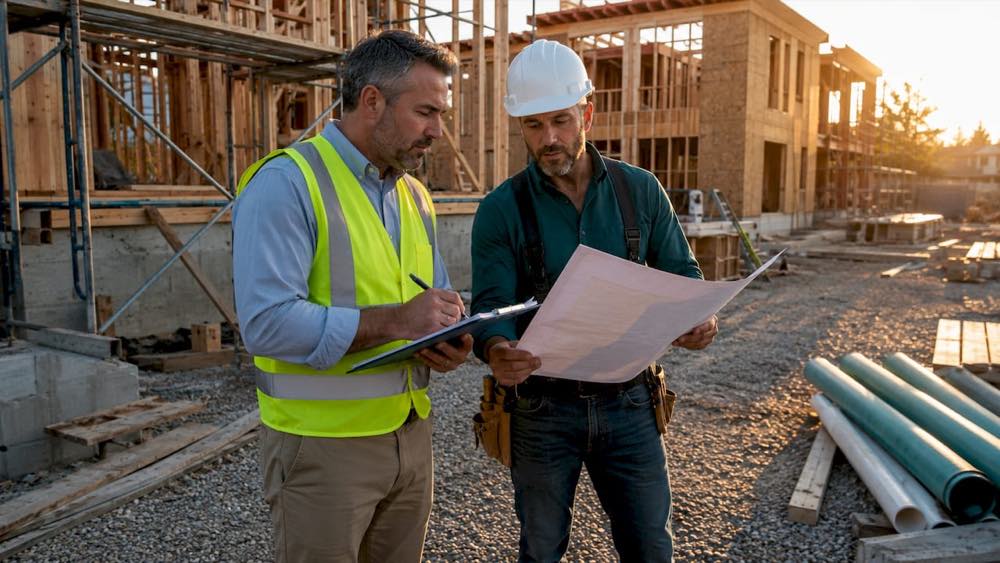
A new construction home appraisal is an independent estimate of a property’s market value based on architectural plans, builder specifications, lot characteristics, and comparable sales before the home is physically complete. Lenders require this valuation to confirm the loan amount matches the property’s worth. Buyers need it to avoid overpaying for a home that hasn’t been built yet. Understanding how home appraisals work for new builds gives you a real advantage in financing negotiations and protects your investment from the start. The new construction appraisal process differs significantly from a standard resale appraisal, and knowing those differences saves time, money, and stress.
How do appraisers value new builds?
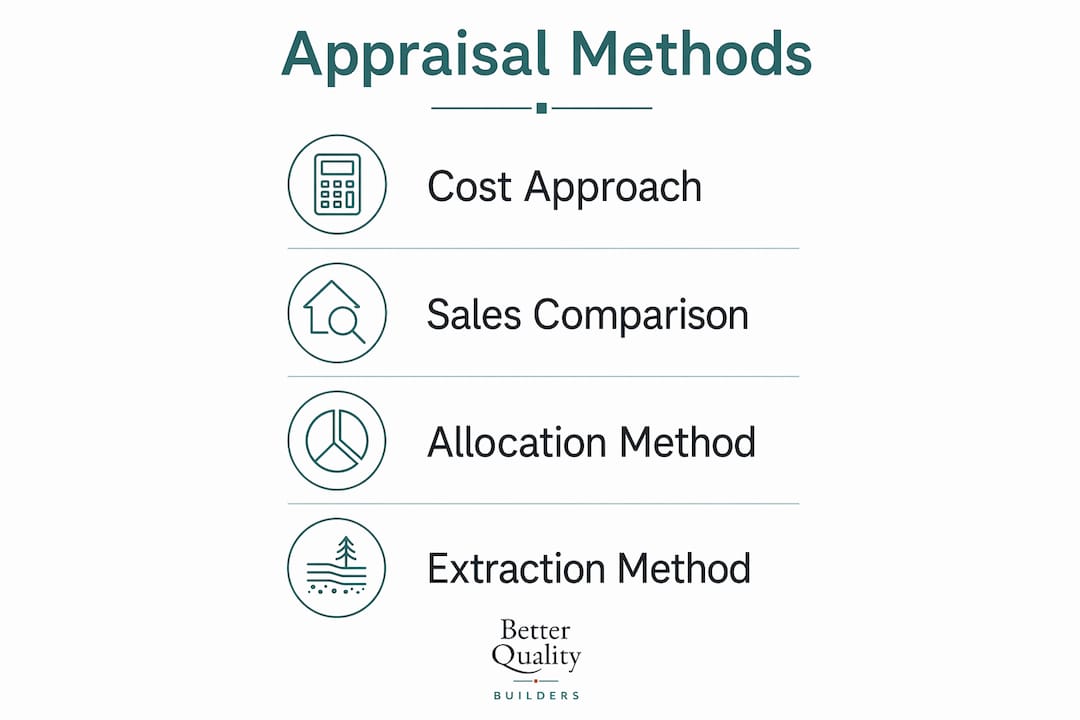
The new construction appraisal process relies on three primary methods, and appraisers typically combine more than one to reach a defensible value.

The cost approach
The cost approach is the most commonly used method for new builds. An appraiser calculates land value separately, then adds the estimated reproduction cost of the structure, and subtracts any depreciation. For a brand-new home, depreciation is minimal, which makes this method well-suited to new construction. Appraisers verify builder cost breakdowns against standardized tools like Marshall & Swift to confirm the numbers align with regional market standards. That verification step prevents inflated builder estimates from skewing the final value.
The sales comparison approach
The sales comparison approach compares the new build to recently sold homes with similar features, size, and location. New construction creates a real challenge here because there are often few direct comparables in the immediate area. Appraisers extend their geographic search beyond typical guidelines when nearby comparable sales are scarce. That flexibility is necessary, but it also means the appraiser’s judgment carries more weight in thinly traded markets.
Allocation and extraction methods
When comparable sales are genuinely limited, appraisers turn to allocation or extraction. The allocation and extraction methods calculate the ratio of land value to improvement value from available market data, then apply that ratio to the subject property. Allocation works from the top down, using known land-to-value ratios. Extraction works from the bottom up, subtracting estimated improvement costs from known sale prices to isolate land value. Both methods require solid local data to produce reliable results.
Pro Tip: Ask your builder for a detailed cost breakdown before the appraisal begins. Appraisers cross-check these figures, and a well-organized breakdown speeds up the review and reduces the chance of adjustments.
| Appraisal method | Best used when | Key input required |
|---|---|---|
| Cost approach | New builds with limited sales history | Builder cost breakdown, land value |
| Sales comparison | Active market with recent new home sales | Comparable closed sales within 12 months |
| Allocation | Few comps, land value data available | Regional land-to-value ratios |
| Extraction | Few comps, improvement cost data available | Known sale prices minus estimated build costs |
What documentation do appraisers need for new builds?
Appraisers cannot walk through a finished home when valuing new construction. They work from paper and site visits instead, which makes documentation the foundation of the entire appraisal.
The standard document package includes:
- Blueprints and floor plans showing room dimensions, layout, and structural details
- Specification sheets listing materials, finishes, fixtures, and appliance grades
- Plot plans showing lot boundaries, setbacks, and site improvements
- Construction budget broken down by trade and material category
- Permits and approvals confirming the project meets local building codes
Appraisers conduct an initial site visit to confirm lot conditions, topography, and any site-specific factors that affect value. Follow-up visits track construction progress and verify the builder is following the submitted plans. The final inspection is the most critical. Many loan programs require the home to reach at least 90% completion before the final appraisal inspection can occur. That threshold directly affects when lenders release final loan funds and when closing can happen.
Deviations from the submitted plans create serious problems. If a builder swaps specified materials for cheaper alternatives, the final inspection reveals the discrepancy. Material substitutions can lower the appraised value and delay loan approval. Providing complete, accurate documentation upfront is the single most effective way to avoid those delays.
Pro Tip: Submit your full documentation package before the appraiser’s first site visit. Appraisal experts confirm that thorough upfront documentation minimizes adjustments and speeds up the entire process.
New construction appraisals typically cost between $500 and $1,000 and take 1–4 weeks depending on project complexity and the number of inspection stages required. Budget for that timeline when scheduling your loan closing.
What is the difference between subject-to and as-completed appraisals?
These two appraisal types serve different purposes in new construction financing, and confusing them is one of the most common mistakes buyers make.
The as-completed appraisal estimates what the property will be worth once construction is fully finished. Lenders use this value to determine how much they will lend before a single wall goes up. It functions as a forward-looking valuation that enables lenders to release funds progressively throughout the build. Without it, construction financing would be nearly impossible because the collateral doesn’t exist yet.
The subject-to appraisal is a conditional valuation. It states the property’s value subject to the condition that the builder completes the home exactly as specified in the submitted plans and specifications. This is not a flexible estimate.
A subject-to appraisal is a conditional promise: if the builder deviates from the approved plans at any point during construction, the appraisal value is voided and the lender may require a new appraisal before releasing additional funds.
The practical implications are significant:
- Construction loan draw releases depend on the appraiser confirming work matches the approved plans at each inspection stage.
- Permanent loan conversion from a construction loan to a standard mortgage requires the final value to meet or exceed the subject-to estimate.
- Builder changes to materials, layout, or finishes must be approved and documented before work begins, not after.
Buyers often assume the subject-to value is locked in regardless of what happens during construction. Appraisers consistently note that this misunderstanding causes more loan delays than almost any other factor. Treat the subject-to appraisal as a contract, not a guarantee.
What affects appraisal value for new builds?
Market conditions, location, and the specific features of your home all influence the final appraised value. Understanding these factors helps you make smarter decisions during the design and build process.
Local market trends carry significant weight. Under-appraisals for new construction declined to approximately 8% in late 2024, reflecting a more stable market after years of volatility. A stabilizing market means appraisers have more reliable comparable data to work with, which generally produces more accurate valuations.
Pro Tip: Research recent new construction sales in your target area before finalizing your floor plan. If comparable homes are selling at a certain price per square foot, your build cost needs to align with that ceiling or you risk an appraisal gap.
Location-specific factors that appraisers adjust for include:
- Lot size and position within a subdivision (corner lots, cul-de-sacs, and backing to open space all carry value adjustments)
- Garage spaces relative to neighborhood norms
- Finish quality compared to nearby new builds of similar size
- Subdivision amenities like community pools, walking trails, and gated access
The relationship between builder cost and market resale value is where many buyers get surprised. A builder may spend $50,000 on a premium kitchen package, but the local market may only support a $25,000 adjustment for that upgrade. Appraisers value what the market will pay, not what the builder charged. Choosing custom home plans that align with local buyer preferences protects your appraisal value from the start.
Material quality also matters at the final inspection stage. Homes built with high-performance materials, like the AirLight steel panels used by Better Quality Builders, carry verifiable construction cost data that supports the cost approach valuation. Documented material specifications give appraisers clear evidence to support higher reproduction cost estimates.
Key Takeaways
New construction appraisals rely on documented plans, verified builder costs, and conditional completion terms to protect both lenders and buyers before a home is built.
| Point | Details |
|---|---|
| Appraisal methods vary | Cost approach, sales comparison, allocation, and extraction are all used depending on available market data. |
| Documentation drives accuracy | Blueprints, spec sheets, budgets, and permits must be complete before the first appraiser site visit. |
| Subject-to appraisals are conditional | Any deviation from approved plans can void the appraisal and delay loan funding. |
| 90% completion rule applies | Most loan programs require at least 90% construction completion before the final inspection. |
| Market value caps builder upgrades | Appraisers value what the market pays, not what upgrades cost, so align design choices with local comps. |
What I’ve learned about new build appraisals that most buyers miss
Most buyers treat the appraisal as a formality. They assume the lender orders it, the appraiser shows up, and the number comes back fine. That assumption costs people real money.
The single biggest mistake I see is late or incomplete documentation. Buyers and builders wait until the appraiser asks for something instead of front-loading the entire package. Every back-and-forth request adds days to the timeline and creates opportunities for misunderstandings about what was specified versus what was built.
The second mistake is treating the subject-to appraisal as a fixed number. I’ve watched buyers get blindsided when a builder substituted a lower-grade HVAC system or changed window specifications mid-build without updating the appraisal documentation. The final inspection catches it. The loan stalls. Closing gets pushed. None of that is necessary if you stay involved in the build process and confirm every material change gets documented before work continues.
My advice for investors is specific: research comparable new construction sales yourself before you rely on the appraiser to find them. Appraisers work under time pressure and geographic constraints. If you can hand them three or four strong comps from a nearby subdivision, you make their job easier and you anchor the conversation around the best available data.
For buyers working with Better Quality Builders, the AirLight steel panel construction method produces detailed, verifiable cost documentation that supports the cost approach directly. That specificity matters when an appraiser is cross-checking your builder’s cost breakdown against market standards.
The appraisal process is not something that happens to you. It’s something you can actively shape with the right preparation.
— David Kobierski
Better Quality Builders and your new build appraisal
Navigating the new construction appraisal process is straightforward when your builder provides the right documentation from day one.
Better Quality Builders prepares complete specification packages, detailed cost breakdowns, and accurate blueprints for every project, giving appraisers exactly what they need to produce a reliable valuation. The AirLight steel panel construction method comes with documented material specifications that directly support the cost approach used in new build appraisals. Buyers working with Better Quality Builders also get guidance through each inspection stage, so nothing falls through the cracks between the subject-to appraisal and final loan conversion. Explore custom home financing options or review available home plans to see how the process works from the first blueprint to closing day.
FAQ
How long does a new build appraisal take?
New construction appraisals typically take 1–4 weeks depending on project complexity and the number of required inspection stages. More complex builds with multiple draw inspections take longer.
What is a subject-to appraisal in new construction?
A subject-to appraisal values the home on the condition that the builder completes it exactly as specified in the approved plans. Any deviation from those plans can void the appraisal and trigger a new one.
How are new homes appraised without comparable sales?
Appraisers use the cost approach, allocation, or extraction methods when comparable sales are limited. They may also extend their geographic search area to find relevant new construction sales from nearby subdivisions.
What is the 90% completion rule for new build appraisals?
Most loan programs, including FHA, require the home to reach at least 90% completion before the final appraisal inspection can occur. This threshold controls when lenders release final loan funds.
Does upgrading finishes increase my appraisal value?
Upgrades increase value only to the extent the local market supports them. Appraisers adjust for finish quality relative to comparable homes, so a $50,000 upgrade may add less than that to the final appraised value.