
A low maintenance custom home is defined as a residence built with durable materials, energy-efficient systems, and thoughtful design that together reduce the time and money you spend on upkeep. When you build low maintenance custom home features into your plans from day one, you avoid the costly retrofits that plague homeowners who treat durability as an afterthought. Materials like fiber cement siding, luxury vinyl plank flooring, and smart home automation systems are the foundation of this approach. Better Quality Builders uses AirLight steel panels to take that durability even further, delivering homes built to last centuries rather than decades.
Which materials ensure low maintenance for a custom home?
The materials you choose at the start determine how much time and money you spend maintaining your home for the next 30 years. Getting this decision right is the single most impactful step in the entire build.
Exterior materials that last
Fiber cement siding is the top choice for low upkeep exteriors. Fiber cement cladding eliminates exterior painting cycles for 15–25 years. That means no scraping, no repainting, and no peeling boards to deal with every few summers.
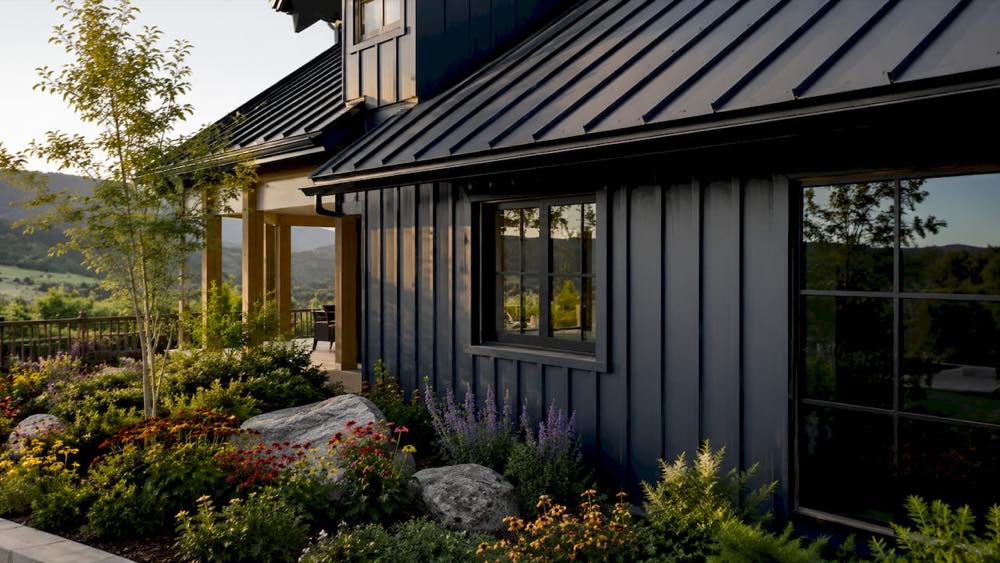
For roofing, metal or architectural shingles last decades and require minimal upkeep compared to standard 3-tab asphalt shingles. Metal roofing in particular resists wind, fire, and impact without the replacement cycles that cheaper options demand. The higher upfront cost pays for itself in avoided repairs.
Windows are another area where material choice matters. uPVC and aluminum-clad frames resist weather, never need painting, and hold their seals far longer than wood frames. They also contribute directly to your home’s thermal performance.
Interior materials built for real life
Luxury vinyl plank flooring with a 12-mil or thicker wear layer offers water resistance and durability that needs no refinishing or waxing. Many products in this category carry 25-year wear warranties. That is a meaningful contrast to hardwood, which requires sanding and refinishing every 7–10 years.
| Material | Maintenance Cycle | Key Benefit |
|---|---|---|
| Fiber cement siding | 15–25 years between painting | Weather and rot resistant |
| Metal roofing | Decades with minimal upkeep | Wind, fire, and impact resistant |
| Luxury vinyl plank flooring | No refinishing required | Water resistant, 25-year warranties |
| uPVC or aluminum-clad windows | No painting needed | Weather tight, thermally efficient |
Pro Tip: Choose factory-prefinished fiber cement siding over field-painted boards. The factory finish bonds more deeply and lasts significantly longer than paint applied on site.
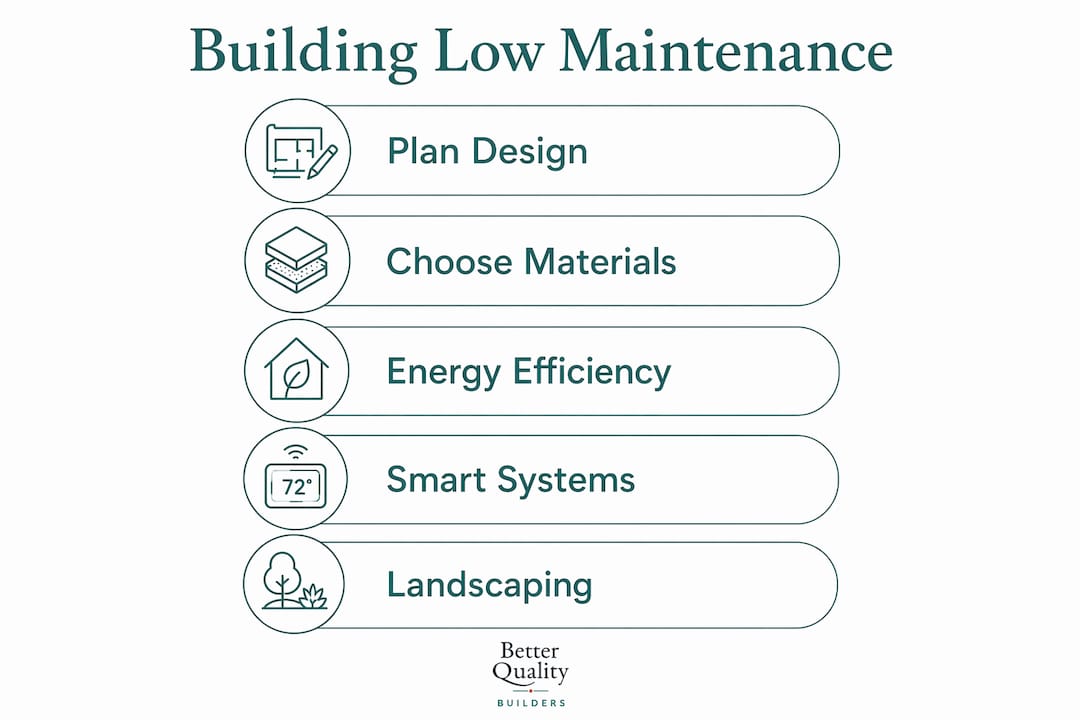
How can energy-efficient building practices reduce long-term maintenance?
Energy-efficient construction does more than lower your utility bills. It reduces wear on your mechanical systems, prevents moisture damage, and cuts the frequency of repairs that come from a home working harder than it should.
Insulation and thermal performance
Continuous insulation and thermal-bridge-free wall assemblies are the backbone of a high-performance home. High-performance upgrades like continuous insulation typically cost 5–15% more initially but yield long-term energy savings and reduced maintenance. That incremental cost is recovered through lower energy bills and fewer HVAC repairs over the life of the home.
Thermal bridges, the spots where heat bypasses your insulation through framing or fasteners, are a leading cause of condensation and mold inside walls. Eliminating them at the design stage prevents a category of damage that is expensive and disruptive to fix after the fact.
HVAC sizing and smart monitoring
A correctly sized HVAC system runs fewer cycles, experiences less wear, and lasts longer than an oversized unit that short-cycles constantly. Pairing a right-sized system with a smart thermostat extends equipment life and keeps energy use predictable.
Smart home technologies like automated climate control and leak detectors help detect issues early, reducing repair costs and maintenance. A leak sensor under a water heater or behind a washing machine can alert you before a small drip becomes a flooded subfloor. That kind of early detection is the difference between a $20 fix and a $20,000 restoration.
- Continuous insulation eliminates thermal bridging and moisture risk
- Correctly sized HVAC systems reduce mechanical wear and energy waste
- Smart leak detectors catch water damage before it spreads
- Automated climate control maintains consistent indoor conditions with less effort
- High-performance windows reduce solar heat gain and drafts
Pro Tip: Ask your builder to model your home’s energy load before sizing the HVAC system. An oversized unit is one of the most common and most avoidable sources of long-term maintenance problems.
What are the essential steps to plan and execute a low maintenance build?
Planning a durable, low-upkeep home is not just about picking the right products. The sequence of decisions matters as much as the decisions themselves.
-
Bring your builder in during design. Early builder collaboration prevents costly redesigns and matches your home to site conditions. A builder who reviews your plans before they are finalized can flag drainage issues, orientation problems, and structural choices that would create maintenance headaches later.
-
Design for your actual daily life. A floor plan that fits how you live reduces the friction that leads to deferred maintenance. Wide hallways, accessible storage, and single-level layouts age well and require fewer modifications over time.
-
Select materials based on your lifestyle, not trends. A polished concrete floor looks great in a magazine but shows every scratch in a home with kids and dogs. Match your material choices to your real habits.
-
Budget for soft costs and change orders. Under-budgeting is the most common mistake in custom home building. Soft costs, including permits, engineering, and design fees, can add up quickly. Change orders after construction begins are significantly more expensive than decisions made at the design table.
-
Verify your builder’s credentials. Confirm licensing, insurance, and references before signing a contract. A qualified builder protects you from construction defects that become your maintenance problem for decades.
“The decisions you make in the first week of design will affect your maintenance costs for the next 30 years. Spend more time there than anywhere else in the process.”
How to design landscaping and outdoor features for minimal maintenance?
Your yard and outdoor spaces can consume as much time as the interior of your home if you design them without maintenance in mind. The right choices here free up your weekends.
Replacing traditional lawns with gravel, native plants, and hardscaping greatly reduces time-consuming outdoor maintenance. Native and drought-resistant plants require little to no supplemental watering once established. They also resist local pests and diseases without chemical treatments.
- Use native, drought-resistant plants suited to your local climate
- Replace high-maintenance grass with gravel paths or decomposed granite
- Install concrete edging to prevent plants from spreading into walkways
- Add a smart irrigation controller that adjusts watering based on weather data
- Choose composite decking or concrete pavers over wood for outdoor surfaces
Hardscaping with concrete pavers or natural stone eliminates mowing, edging, and reseeding. Concrete edging between planted beds and gravel areas prevents plant invasion without ongoing intervention. These are one-time installations that pay dividends every season.
Pro Tip: Install a smart irrigation controller at the same time as your landscaping. Retrofitting one later requires replumbing your irrigation lines, which costs far more than including it from the start.
Buyers in 2026 prioritize turnkey-ready homes with automated climate, lighting, and security systems. That preference extends to outdoor spaces. A yard that runs itself is no longer a luxury feature. It is an expectation.
Key takeaways
Building a low maintenance custom home requires durable materials, energy-efficient systems, and early builder collaboration to reduce upkeep costs for decades.
| Point | Details |
|---|---|
| Choose durable exterior materials | Fiber cement siding and metal roofing eliminate frequent painting and replacement cycles. |
| Invest in energy-efficient systems | Continuous insulation and smart monitoring cut energy bills and prevent costly repairs. |
| Plan with your builder early | Early collaboration avoids expensive redesigns and matches the home to site conditions. |
| Design low-maintenance landscaping | Native plants, hardscaping, and smart irrigation reduce outdoor upkeep to near zero. |
| Budget for the full cost | Include soft costs and a change-order reserve to avoid compromising material choices mid-build. |
Why I think most homeowners get this backwards
Most people building a custom home spend the bulk of their planning energy on finishes: countertops, cabinet hardware, tile patterns. Those decisions matter for how a home feels. They matter very little for how much it costs to own over 20 years.
The real leverage is in the structural and systems decisions made in the first month of design. The wall assembly, the roof material, the window specification, the HVAC sizing. These are the choices that determine whether you spend your weekends maintaining your home or enjoying it. Smart home automation is increasingly seen as an essential maintenance tool, not just a luxury, and I agree completely. A $300 leak detector prevents a $15,000 subfloor replacement. That math is not complicated.
What I have seen repeatedly is homeowners who under-invest in the building envelope and over-invest in cosmetic finishes, then wonder why their energy bills are high and their repair list never shrinks. The fix is always the same: go back to the structure. Build it right the first time. Better Quality Builders uses AirLight steel panels precisely because the structure is where durability is won or lost. Everything else is secondary.
Think about your daily routine before you finalize your floor plan. Think about your maintenance tolerance before you choose your exterior cladding. The homeowners who do that work upfront are the ones who call me five years later to say they have not had a single major repair. That is the goal.
— David Kobierski
Better Quality Builders: built for the long run
Better Quality Builders specializes in custom homes designed to need as little from you as possible after move-in. The AirLight steel panel system is the same structural technology used in hurricane and earthquake zones worldwide, and it delivers up to 60% lower energy bills alongside a building envelope that resists moisture, pests, and time.
Every home starts with a conversation about how you actually live, what you want to stop worrying about, and what your site demands. From there, Better Quality Builders matches custom home plans to your goals and walks you through material selections, energy systems, and financing options that make a durable, low-upkeep home achievable. If you are ready to build something that outlasts everything, the team at Better Quality Builders is ready to help you get there.
FAQ
What materials are best for a low maintenance home exterior?
Fiber cement siding and metal roofing are the top choices. Fiber cement eliminates painting for 15–25 years, while metal roofing lasts decades with minimal upkeep.
How much more does energy-efficient construction cost upfront?
High-performance upgrades like continuous insulation typically add 5–15% to initial construction costs. Those costs are recovered through lower energy bills and fewer repairs over the life of the home.
What role does smart home technology play in reducing maintenance?
Smart sensors for leaks, climate, and security detect problems early before they become expensive repairs. Automated systems also reduce daily effort and extend the life of mechanical equipment.
When should I involve my builder in the design process?
Bring your builder in before plans are finalized. Early collaboration prevents costly redesigns, catches site-specific issues, and reduces expensive change orders during construction.
Is low maintenance landscaping worth the upfront investment?
Native plants, hardscaping, and smart irrigation require a higher initial investment but eliminate ongoing mowing, watering, and chemical treatments. The time and cost savings accumulate significantly over years.