Yes, mold-resistant homes are achievable in Arizona when moisture is controlled through climate-aware construction and consistent maintenance. Homes stay mold-free when air conditioning drain lines, evaporative coolers, and roofing details are maintained and when the building envelope keeps water out during monsoon season. Success looks simple: no recurring growth, no lingering musty smell, and indoor humidity that stays under 50%.
TL;DR:
- Maintaining indoor humidity below 50 percent and managing moisture sources like HVAC drains and plumbing leaks prevent mold growth in Arizona homes.
- Mold often hides in hidden spaces such as attics, behind drywall, under sinks, and HVAC ducts, making regular biannual inspections essential.
- Professional remediation becomes necessary for mold larger than 10 square feet or recurring problems despite cleaning efforts.
- Using moisture-resistant materials and sealing building envelopes during construction significantly reduces mold risk from the outset.
- Retrofitting an existing home is feasible with targeted upgrades, but new builds with engineered moisture control offer the highest protection.
Table of Contents
- Why Mold Spreads in Arizona: Monsoon Spikes, HVAC, and Tight Envelopes
- Where Does Mold Hide in an Arizona Home?
- Who Is at Risk From Mold Exposure, and When Should You See a Doctor?
- What to Do the Moment You Find Mold
- Prevention: Building and Maintenance Habits That Actually Work
- When Does a Mold Problem Need a Professional?
- How Mold-Resistant Construction Reduces Risk From the Start
- Should You Build New or Retrofit an Existing Home?
- Build a Mold-Resistant Home From the Ground Up
- Sources
Why Mold Spreads in Arizona: Monsoon Spikes, HVAC, and Tight Envelopes
Arizona’s outdoor air runs dry most of the year, with annual relative humidity averaging roughly 20 to 40 percent. That’s exactly why indoor mold in Arizona rarely comes from the outdoor climate. It comes from something inside the house leaking, sweating, or venting poorly.
Monsoon season changes the math for a few weeks each summer. Humidity spikes fast, rain finds gaps in roofing and flashing you didn’t know existed, and a home that’s been bone dry since October suddenly has standing water in an attic or a wet patch behind drywall. These events are short, but they’re potent enough to start a mold colony that keeps growing long after the storm passes.
Indoor sources cause most of the ongoing damage:
- AC condensate failures — clogged drain lines back up and drip into ceilings or wall cavities for weeks before anyone notices.
- Evaporative coolers — swamp coolers add moisture by design, and a poorly maintained unit can push humidity well past safe indoor levels.
- Plumbing leaks — slow drips under sinks or behind shower walls stay hidden until the drywall starts to sag.
- Poor ventilation — bathrooms and laundry rooms without adequate exhaust trap steam in enclosed spaces.
Modern, tightly built homes add a wrinkle here. A well-sealed envelope stops outdoor air infiltration, which is great for energy bills, but it also means any moisture that gets trapped inside a wall or ceiling cavity has nowhere to escape. Without engineered ventilation, that tightness can quietly turn into a condensation problem.
Where Does Mold Hide in an Arizona Home?
Mold rarely announces itself. It builds in the spaces you don’t check during a normal walkthrough, and by the time you smell it, it’s often established. Work through these zones in order of likelihood:
- Bathrooms, kitchens, and laundry rooms. Grout lines, under-sink cabinets, and the space behind a washing machine hold moisture longest.
- Attics. Roof leaks and poorly vented bathroom fans that dump moist air straight into attic space are a common culprit.
- Crawl spaces and subfloors. Ground moisture and plumbing runs make these areas persistently damp in older homes.
- Behind drywall. Slow leaks near plumbing walls often show up first as discoloration or a soft spot, not visible mold.
- HVAC ducts. Once spores establish in ductwork, the system distributes them through every room the air reaches.
- Storage areas and cluttered closets. Boxes and stored items block airflow and trap the humidity that circulation would otherwise clear.
A flashlight and twenty minutes checking these six spots twice a year catches most problems before they spread.
Who Is at Risk From Mold Exposure, and When Should You See a Doctor?
Mold exposure most commonly triggers allergic reactions and worsens asthma. Symptoms include sneezing, coughing, itchy eyes, and respiratory irritation that flares indoors and eases outside. Infants, older adults, and anyone who is immunocompromised or has existing respiratory disease face higher risk from prolonged exposure.
If symptoms track closely with time spent in a specific room or persist despite cleaning, that pattern is worth mentioning to a doctor. A physician can evaluate whether respiratory symptoms are mold-related, while the environmental fix (drying the space, removing the source) still falls to you or a remediation professional.
What to Do the Moment You Find Mold
Speed matters more than perfection here. The first move is always the same: stop the water. A patch of mold under a sink is a symptom, not the actual problem, and cleaning it without fixing the leak just buys you a repeat visit in a few weeks.
- Isolate the source — shut off the leaking valve, unplug the overflowing cooler, or tarp the roof breach before touching the mold itself.
- Assess the size — the EPA and regional guidance generally treat patches under about 10 square feet as manageable DIY cleanup; anything larger warrants a professional.
- Clean small patches safely — scrub non-porous surfaces with detergent and water, wear gloves and an N95 mask, and discard porous materials like soaked drywall or carpet padding rather than trying to save them.
- Dry everything within 24 to 48 hours — this window is the single most important factor in preventing regrowth, according to EPA guidance on moisture control.
- Document the damage — photograph affected areas and note the date discovered, especially if you’re preparing an insurance claim or disclosing an issue during a home sale.
Pro Tip: Running a box fan directly on a wet, moldy surface can spread spores through the room instead of drying it faster. Increase airflow around the area, not directly across visible mold, and avoid running central HVAC until the source is controlled.
Prevention: Building and Maintenance Habits That Actually Work
Prevention in Arizona comes down to two things working together: keeping indoor humidity in a healthy range and choosing materials that don’t feed mold when moisture inevitably shows up.
Indoor relative humidity above 60 percent supports active mold growth on most building materials, while the 30 to 50 percent range keeps it dormant. A $15 hygrometer from any hardware store tells you exactly where your home sits, and it’s the single easiest tool for catching a problem before it starts.
Maintenance routines that make the biggest difference:
- Clean AC drip pans and drain lines every season, not just when they clog.
- Run bathroom fans during showers and for 20 to 30 minutes after, per regional prevention guidance.
- Vent dryers to the exterior, never into an attic or crawl space.
- Check roof flashing and clean gutters after every major storm, especially post-monsoon.
- Grade soil and landscaping away from the foundation so irrigation and rain drain away from the house instead of pooling against it.
For wet-prone areas, choosing exterior materials like cement board, mold-resistant drywall, and sealed finishes removes the food source mold needs to establish. If you’re buying an existing home, ask for HVAC service records, any past water-damage disclosures, and a look at the attic and crawl space during inspection.
When Does a Mold Problem Need a Professional?
Certain signs mean it’s time to stop treating this as a weekend project. Call a remediation professional when you see visible growth larger than roughly 10 square feet, when mold keeps returning after you’ve cleaned it, or when you notice a persistent musty smell with no visible source.
- Look for IICRC-certified technicians. IICRC sets the industry standard for remediation training and certification.
- Confirm the contractor carries insurance and provides a written scope of work before starting.
- Ask whether clearance testing is included once remediation finishes.
- Expect a realistic timeline: small jobs often wrap in a few days, while extensive water-damage remediation can take one to two weeks.
How Mold-Resistant Construction Reduces Risk From the Start
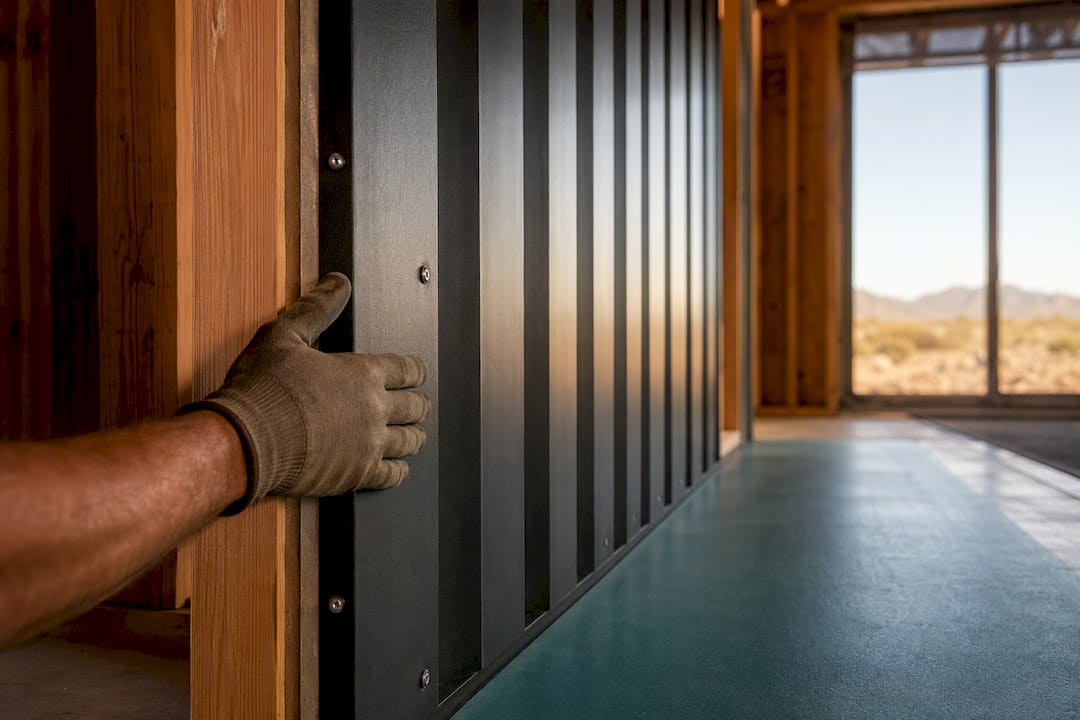
Retrofitting an existing home helps, but the biggest risk reduction happens at the construction stage, before drywall goes up. Better Quality Builders uses AirLight steel panels to create a tight, durable envelope that resists the wetting that comes with monsoon-driven rain and wind, an approach that echoes what long-term Arizona projects like the mold-resistant homes in Snowflake have demonstrated with impermeable materials and simplified drainage.
A tight envelope alone isn’t enough, though. Paired with engineered ventilation and dehumidification, it prevents the exact condensation risk that traps moisture in wall and ceiling cavities. That combination is the difference between an airtight home that stays dry and one that quietly grows mold behind a wall no one checks.
- Steel panel envelope — reduces water intrusion points compared to traditional wood-frame assemblies.
- Dust-proof, sealed design — limits the pathways moisture and airborne particles use to enter the structure, detailed further in this dust-proof home design guide.
- Roof and material choices — a well-designed cool roof reduces attic heat and moisture cycling that stresses roofing seals over time.
Should You Build New or Retrofit an Existing Home?
Building new gives you full control over the envelope, ventilation, and drainage details that prevent mold before they become problems. That’s worth the investment for buyers who plan to stay long term. For most existing homeowners, disciplined maintenance and targeted retrofits, like upgraded exhaust fans or better flashing, remain a realistic path. Buyers should prioritize builders who engineer for moisture control from day one; current owners should start with the HVAC and roofing checks covered above.
— David Kobierski
Build a Mold-Resistant Home From the Ground Up
Retrofitting an older home helps, but you’re always working around decisions someone else made decades ago. Better Quality Builders gives Arizona buyers a different starting point: a steel-panel envelope engineered for moisture control from the first blueprint, not bolted on after a problem shows up.

The AirLight steel panel system pairs a tight building envelope with the ventilation and drainage details that keep monsoon rain and condensation out of your walls, along with energy bills up to 60% lower than a conventional build. If you’re weighing a custom home against buying and retrofitting, visit Better Quality Builders to browse floor plans, check lot inventory in Maricopa County, and request a consultation to see what a mold-resistant build looks like on your land.