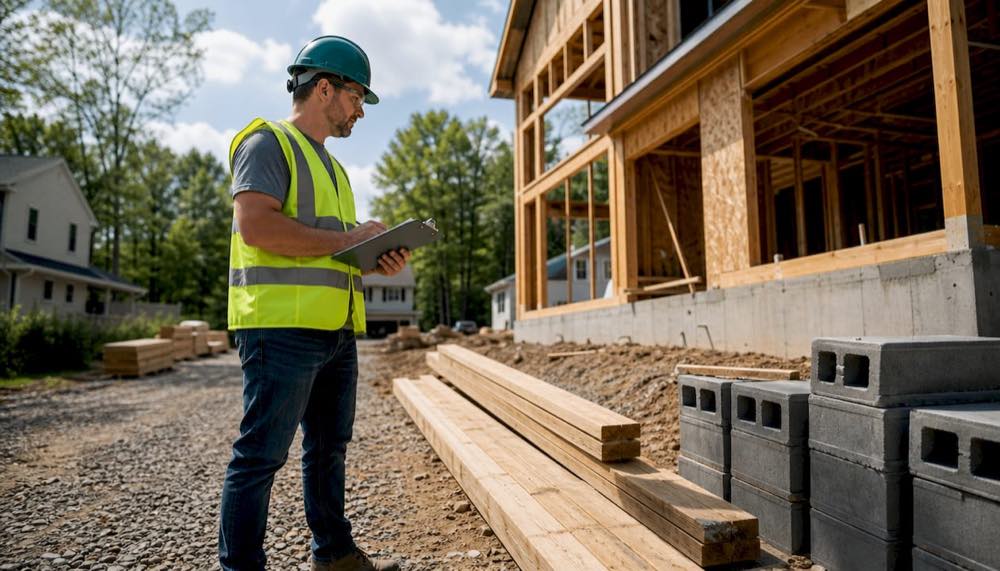
Inspections in home builds are defined as formal evaluations conducted at critical construction phases to verify quality, safety compliance, and structural integrity before work is concealed. The role of inspections in home builds goes far beyond a simple checkbox. These evaluations protect homebuyers and builders from hidden defects that can cost tens of thousands of dollars to fix after the fact. Industry standards mandate specific inspection phases tied to construction milestones, from foundation through final occupancy. Regulatory bodies, third-party inspectors, and quality assurance protocols each play a distinct part in keeping a build on track and legally sound.
What are the key inspection phases during home construction?
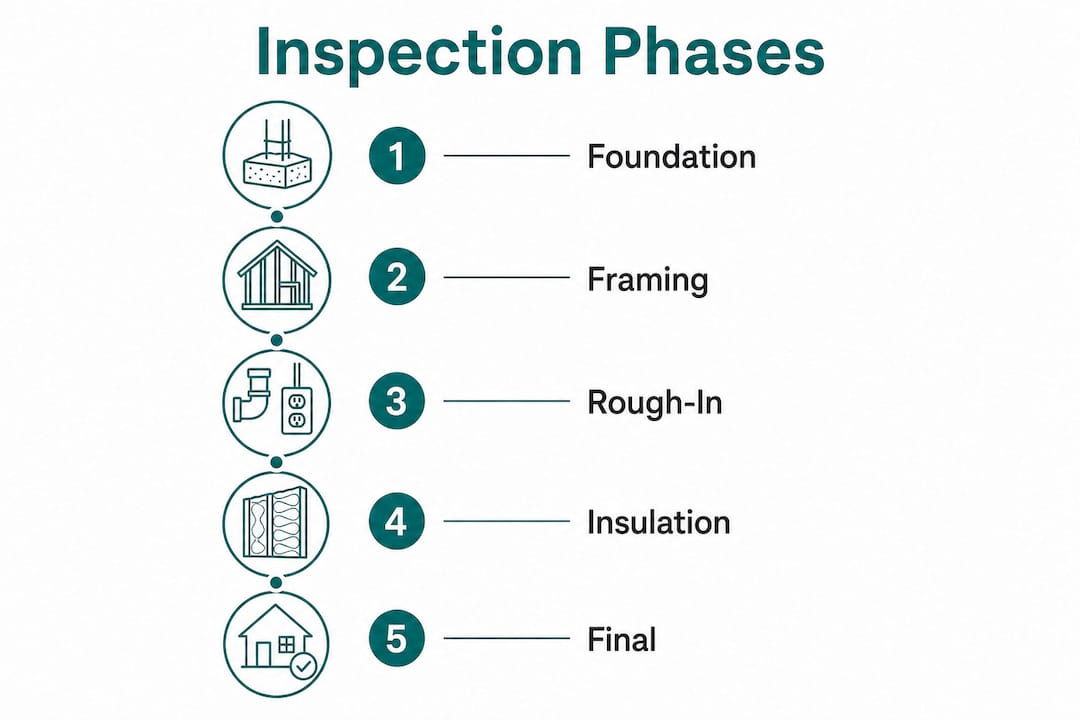
Construction inspections follow a strict sequence tied to build progress. Phase inspections in California residential construction, for example, include foundation, framing, rough-in, insulation, and final stages before a Certificate of Occupancy is issued. Each phase targets a specific window when defects are still visible and correctable.
1. Foundation inspection (pre-pour) This happens before concrete is poured. Inspectors assess site preparation, soil compaction, rebar placement, and form alignment. A missed error at this stage can compromise the entire structural system.
2. Framing inspection Once the structural skeleton is up, inspectors review load-bearing walls, beam connections, floor systems, and roof framing. This is the last chance to catch structural errors before they are buried inside finished walls.
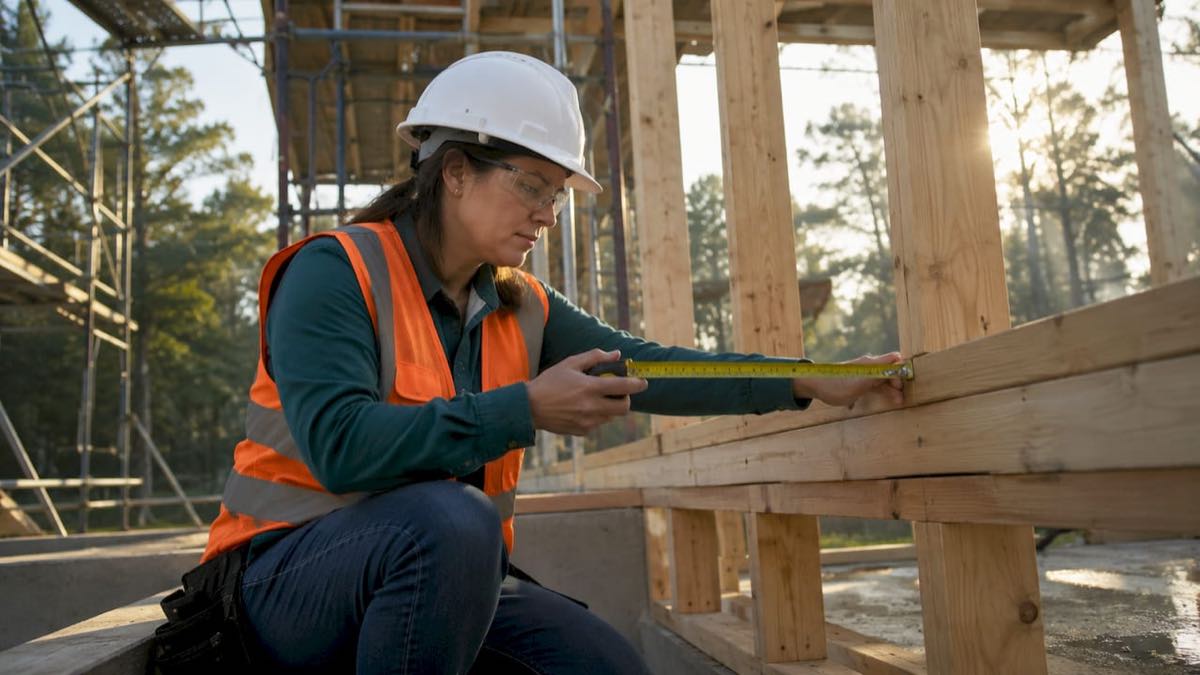
3. Rough-in inspection Rough-in inspections must occur before drywall to detect plumbing, electrical, and HVAC issues hidden when walls close. A faulty wire or misrouted drain pipe found at this stage costs hundreds to fix. The same problem found after drywall installation costs thousands.
4. Insulation inspection Inspectors verify that insulation type, placement, and R-value meet local energy codes. Missing or improperly installed insulation drives up energy bills for the life of the home.
5. Final inspection The final inspection covers completed work across all systems and confirms the home meets code for legal occupancy. Passing this stage results in a Certificate of Occupancy, which is required before anyone can legally move in.
Pro Tip: Attend every inspection personally. Watching the inspector work gives you firsthand knowledge of your home’s condition that no written report can fully replace.
How do third-party inspections differ from municipal code inspections?
Municipal and third-party inspections serve different purposes, and confusing the two is one of the most expensive mistakes a homebuyer can make.
Municipal inspectors enforce code floors. They verify that construction meets the minimum legal standard at mandated checkpoints. They are not evaluating workmanship quality, material performance, or long-term durability. Their job is to confirm that the home will not collapse or catch fire, not that it was built well.
New construction homes often have defects such as missing insulation, faulty wiring, foundation cracks, and HVAC errors that municipal inspectors may miss because they focus on minimum code compliance. These are not rare edge cases. They are common findings on new builds that passed every required municipal inspection.
Third-party inspectors fill that gap. They assess workmanship quality, system performance, and material conditions that go beyond what code requires. They document everything in a written report, which creates a paper trail that verbal conversations with a builder never produce.
“Private inspectors lack legal enforcement power but hold significant leverage with detailed documentation that influences builder warranties and negotiations. Documented findings are the strongest tool a buyer has at the closing table.”
The key distinction is authority versus evidence. Municipal inspectors have legal enforcement power. Third-party inspectors have documented proof. Both matter, and neither replaces the other.
What are the practical benefits of inspections for homebuyers and builders?
Inspections deliver financial protection that far exceeds their cost. Pre-settlement inspections have saved homebuyers over $80,000 in potential repair costs by identifying major defects before closing. That figure puts the cost of a professional inspection in sharp perspective.
The benefits extend well beyond one-time cost savings:
- Defect identification before concealment. Structural and system defects caught early cost a fraction of what they cost after walls are closed and finishes are applied.
- Negotiation leverage. Inspection findings enable contract renegotiation, price reductions, or withdrawal to recoup earnest money when deal-breaking issues exist. A written report gives you standing that a verbal complaint does not.
- Avoiding money pits. Inspections help buyers avoid purchasing homes with hidden costly defects that cosmetic finishes conceal. A fresh coat of paint covers a lot. An inspector’s report does not.
- Warranty enforcement. Documented inspection findings give homebuyers clear evidence to enforce builder warranties during the coverage period.
- Long-term maintenance planning. Regular inspection reports help owners budget for maintenance, preventing sudden costly repairs like a $15,000 roof replacement.
| Benefit | What it means for you |
|---|---|
| Early defect detection | Repairs cost less before walls close and finishes go in |
| Negotiation leverage | Written reports support price reductions or repair demands |
| Warranty enforcement | Documentation proves defects existed within the warranty period |
| Maintenance budgeting | Inspection findings predict future repair needs and costs |
| Financial protection | Buyers have avoided over $80,000 in repair costs through pre-settlement inspections |
Pro Tip: Request a copy of every municipal inspection report from your builder. These records belong to you and form the baseline documentation for any future warranty or legal claim.
For homebuyers planning a low-maintenance custom home, phased inspections are one of the most effective tools for keeping long-term costs predictable.
How should you use inspection reports during and after construction?
An inspection report is only useful if you act on it. Too many homebuyers receive a detailed report and file it away without following through on its findings.
- Negotiate before closing. Use inspection findings to request repairs, price reductions, or credits before you sign final documents. Inspection reports provide documented evidence that serves as a powerful negotiation tool during builder warranties and closing processes. Verbal conversations with a builder leave no record.
- Follow up on corrections. If a builder agrees to fix a defect, schedule a re-inspection after the work is done. Do not assume the repair was completed correctly without verification.
- Use findings for warranty claims. Builder warranties typically cover one year for workmanship and two years for systems. Your inspection report is the evidence that a defect existed within that window.
- Build a maintenance budget. Inspection reports identify components nearing the end of their service life. Use that information to plan and budget for replacements before they become emergencies.
- Attend the inspection in person. Inspectors can explain findings on the spot in plain language. Reading a report without that context often leads to misunderstanding the severity of an issue.
Understanding how home appraisals work for new builds alongside your inspection reports gives you a complete picture of your home’s value and condition at closing.
Key Takeaways
Inspections in home builds are the most reliable tool buyers and builders have to verify quality, enforce warranties, and protect their financial investment at every construction phase.
| Point | Details |
|---|---|
| Phase inspections are sequential | Foundation, framing, rough-in, insulation, and final inspections each target a specific construction window. |
| Municipal inspections have limits | Code inspectors verify minimum legal standards, not workmanship quality or long-term performance. |
| Third-party reports create leverage | Written documentation supports negotiation, warranty claims, and builder accountability. |
| Early detection saves money | Defects found before walls close cost far less to fix than those discovered after finishes are applied. |
| Reports guide future maintenance | Inspection findings help owners plan and budget for repairs before they become costly emergencies. |
Why I think skipping inspections is the most expensive decision a builder can make
After years of working in quality home construction, the pattern I see most often is this: homebuyers skip or minimize inspections to save a few hundred dollars, then spend tens of thousands fixing problems that a thorough inspection would have caught before closing.
The conventional wisdom treats inspections as a formality. They are not. They are the only independent verification that a home was built the way it was supposed to be built. A builder’s word is not a substitute for a written report from a qualified third-party inspector.
The timing issue is what most people miss. Defects must be identified before concealment phases such as drywall installation, or they become inaccessible and expensive to fix. Once the walls close, you are paying to tear them open again. That is not a hypothetical. It happens on new construction regularly.
My advice is to treat inspections as part of your build budget, not as an optional add-on. Choose a qualified inspector with specific new construction experience. Attend every phase inspection yourself. Read every report carefully and follow up on every finding. The homes that hold their value and require the least maintenance over time are almost always the ones that were inspected thoroughly at every stage.
— David Kobierski
Better Quality Builders builds inspections into every phase
At Better Quality Builders, quality assurance is not an afterthought. Every build using AirLight steel panels is coordinated with phase inspections from foundation through final occupancy, so defects are caught before they are ever concealed. AirLight panels are the same structural material used in hurricane and earthquake zones worldwide, and they perform best when every installation step is verified by qualified inspectors.
Better Quality Builders works with homebuyers and builders in Phoenix and Scottsdale to integrate inspection milestones directly into the custom home build process, giving you documented proof of quality at every stage. Contact Better Quality Builders to discuss how inspection-driven construction protects your investment from the ground up.
FAQ
What is the role of inspections in home builds?
Inspections in home builds are formal evaluations at defined construction phases that verify quality, safety compliance, and structural integrity before work is concealed. They protect homebuyers and builders from hidden defects and legal liability.
How many inspections does a new home construction require?
Most new home builds require at least five inspections: foundation, framing, rough-in, insulation, and final. Local jurisdictions may require additional phase checks depending on the scope of the project.
Do new construction homes need a third-party inspection?
Yes. Municipal inspectors verify minimum code compliance but often miss workmanship and material defects. A third-party inspector evaluates quality and performance beyond code, providing documented leverage for negotiations and warranty claims.
When is the best time to schedule a home inspection during a build?
The most critical inspection windows are before concrete is poured, before drywall is installed, and at final completion. Missing the pre-drywall window means defects in plumbing, electrical, and HVAC systems become concealed and costly to access.
Can an inspection report help me negotiate with a builder?
Yes. Inspection findings provide empirical leverage enabling buyers to negotiate contract terms, request repairs, or withdraw from a purchase to protect their finances. A written report carries far more weight than a verbal complaint.